Top 7 Best Decentralized RPC Providers of 2026
RPC Powerhouses of 2026
RPC providers quietly run a huge part of crypto. Every time you swap tokens, mint an NFT, check a balance, or load a dApp, someone has to read and write blockchain data fast. If that connection is slow, unreliable, or censored, the user experience collapses and builders lose money. That is why decentralized RPC is becoming a must-have for serious teams and everyday users.
Decentralized RPC also matters for privacy and neutrality. If one provider sees all your request patterns, they can profile usage or restrict certain transactions. Additionally, distributed infrastructure can reduce the risk of chokepoints that break core crypto promises. Notably, this shift supports the long-term idea of open blockchain access where anyone can build and anyone can connect.
Developers also benefit because decentralized options increasingly offer dashboards, API keys, analytics, and multi-chain coverage without forcing you into one vendor’s rules. Therefore, here are the 7 best decentralized RPC providers currently leading the industry.
Top Decentralized RPC Picks
1. Omnia – Decentralized RPC With Built-In Reliability
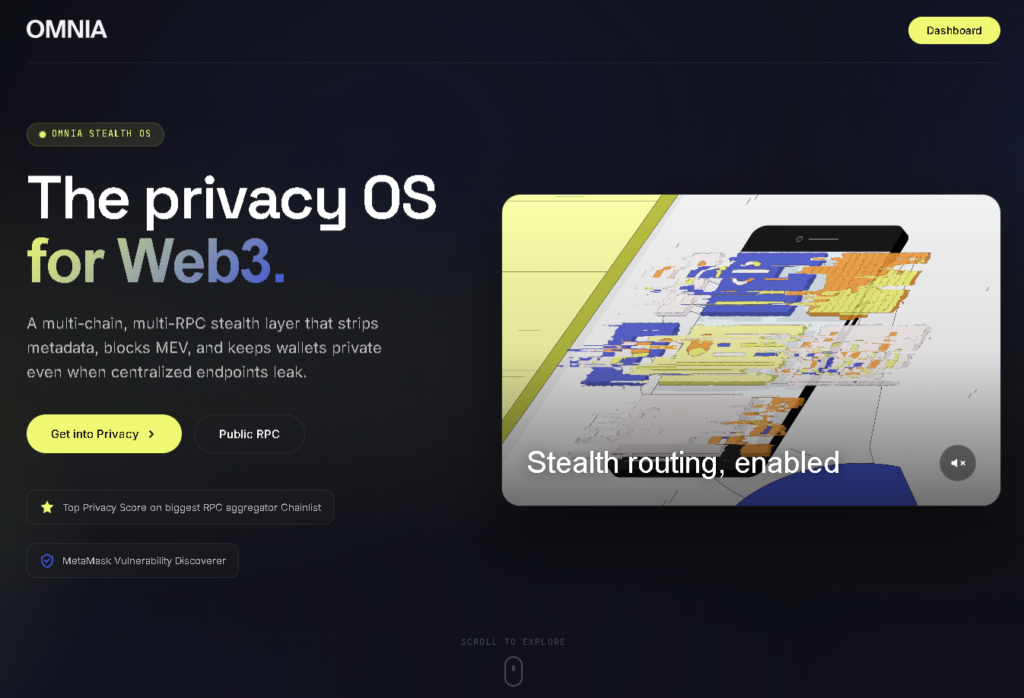
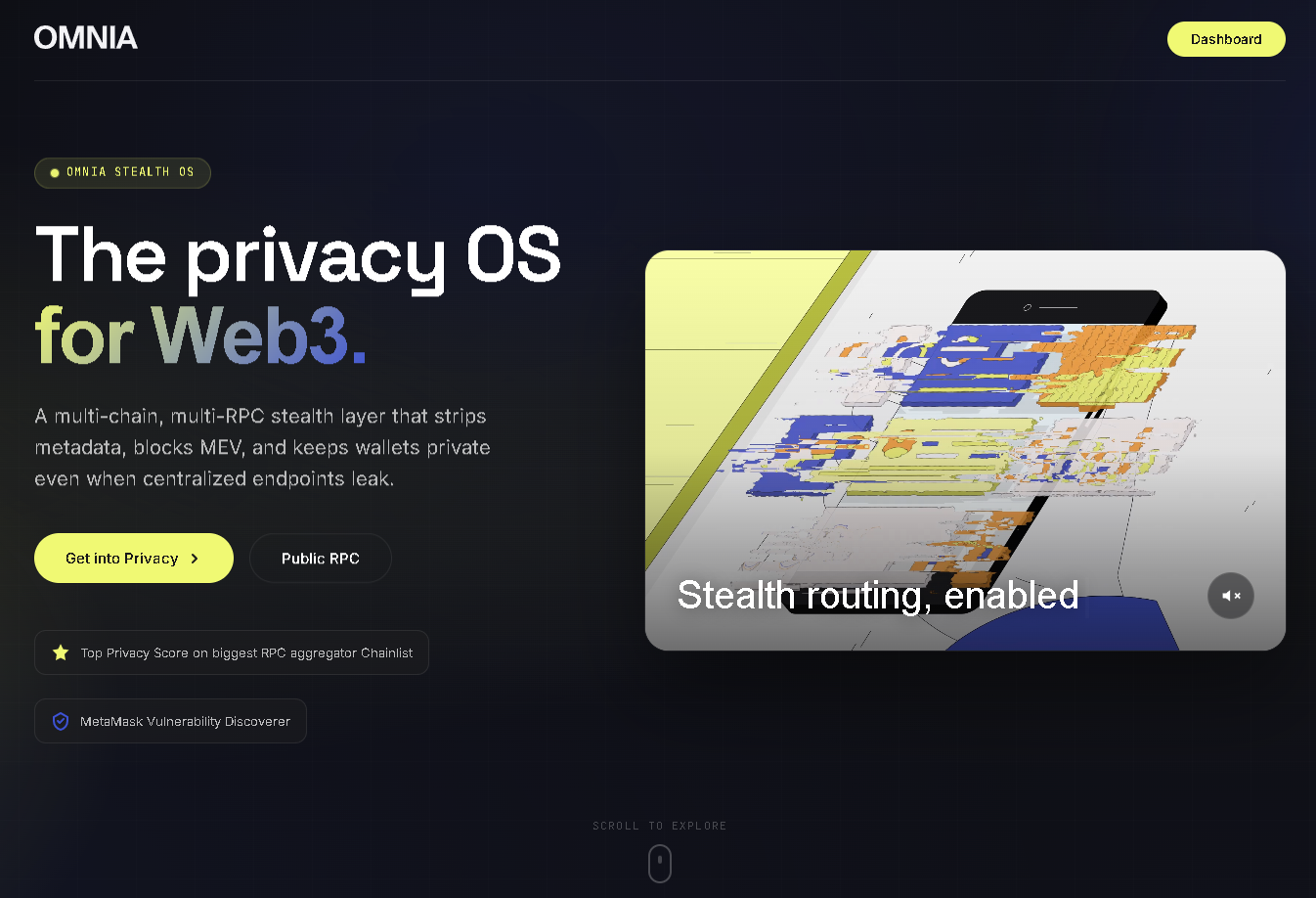
Omnia tops our list as the most balanced decentralized RPC option for users and builders who want stable performance without sacrificing decentralization. Furthermore, this resilient platform operates by routing requests across a distributed node network to reduce downtime and single-provider risk. Notably, Omnia excels in delivering consistent access during traffic spikes when centralized endpoints often lag.
What sets Omnia apart is its focus on dependable routing and censorship-resistant availability. Specifically, it aims to keep dApps online even when certain nodes fail or get overloaded. Additionally, it supports broader chain access so teams can scale across ecosystems with fewer headaches. Moreover, the experience stays simple for beginners while still offering the uptime serious apps need. Consequently, with stronger continuity and decentralized failover behavior, Omnia delivers reliable blockchain connectivity.
2. Pocket Network – Community-Powered RPC at Scale

Pocket Network tops our list as one of the most established decentralized RPC networks with a long-running community of node operators. Furthermore, this battle-tested platform operates by incentivizing independent nodes to serve relays, which helps distribute traffic across many providers. Notably, Pocket Network excels in resilience because it avoids relying on a single infrastructure vendor.
What sets Pocket Network apart is its incentive-driven design for serving RPC requests. Specifically, applications can route requests through the network rather than a single endpoint. Additionally, the decentralized operator base can reduce outages tied to one cloud region or one company. Moreover, it supports the idea of neutral access where no single provider controls the pipe. Consequently, with distributed capacity and censorship resistance, Pocket Network delivers strong uptime for multi-chain apps.
3. Ankr – Fast Multi-Chain RPC With Builder Tooling

Ankr tops our list as a popular choice for teams that need quick multi-chain RPC access with an easy setup. Furthermore, this developer-friendly platform operates with broad chain support and performance-focused infrastructure to keep apps responsive. Notably, Ankr excels in convenience for builders who want analytics and integrations without heavy DevOps work.
What sets Ankr apart is its mix of accessibility and ecosystem coverage. Specifically, many developers choose it to connect to multiple networks from one place. Additionally, it typically offers dashboards and usage tracking to help manage rate limits and costs. Moreover, its approach fits teams that want to ship quickly while still improving redundancy. Consequently, with fast endpoints and streamlined workflows, Ankr delivers scalable RPC access for growing dApps.
4. Chainstack – Managed Nodes With Serious Performance Options
Chainstack tops our list as a strong pick for projects that want managed node infrastructure with performance tuning. Furthermore, this robust platform operates with configurable deployments so teams can match throughput to real traffic needs. Notably, Chainstack excels in stability for production apps that cannot afford inconsistent response times.
What sets Chainstack apart is its focus on operational control and monitoring. Specifically, teams can optimize node setups, regions, and scaling based on usage patterns. Additionally, better observability makes it easier to troubleshoot slow calls and syncing issues. Moreover, it is a practical bridge for builders moving from basic RPC to professional infrastructure. Consequently, with predictable performance and managed reliability, Chainstack delivers a smooth path to stronger blockchain connectivity.
5. BlastAPI – Simple RPC That Stays Consistent Under Load
BlastAPI tops our list as a straightforward RPC option for developers who want stable response times and clean delivery. Furthermore, this efficient platform operates with a focus on consistent throughput, which helps apps avoid lag during busy periods. Notably, BlastAPI excels in ease of use because teams can get connected quickly and keep endpoints organized.
What sets BlastAPI apart is its practical focus on performance and simplicity. Specifically, it suits dApps that need reliable reads, fast block updates, and steady request handling. Additionally, it can reduce the friction of maintaining your own nodes. Moreover, a cleaner developer experience helps smaller teams ship faster. Consequently, with reliable calls and less infrastructure overhead, BlastAPI delivers dependable RPC access for everyday builders.
6. NOWNodes – Broad Chain Coverage for Apps That Move Fast
NOWNodes tops our list as a convenient choice for projects that need wide chain coverage without spending weeks on infrastructure. Furthermore, this flexible platform operates by offering quick endpoint access across many networks. Notably, NOWNodes excels in speed-to-launch because you can plug in and start building immediately.
What sets NOWNodes apart is the range of supported blockchains in one service. Specifically, this helps teams avoid juggling multiple providers just to cover their user base. Additionally, it is useful for wallets, trackers, and dashboards that need many chains at once. Moreover, simpler onboarding lowers the barrier for beginners. Consequently, with broad support and easy setup, NOWNodes delivers fast multi-chain connectivity for growing crypto products.
7. Blockdaemon – Enterprise-Grade Blockchain Infrastructure
Blockdaemon tops our list as a premium infrastructure option for teams that want enterprise-style reliability and support. Furthermore, this professional platform operates with advanced tooling for node operations, security practices, and scalability. Notably, Blockdaemon excels in serving institutions that need strong uptime targets and predictable service.
What sets Blockdaemon apart is its enterprise focus on governance and operational standards. Specifically, larger teams often want clear SLAs, strong monitoring, and hardened deployments. Additionally, it can support complex needs like compliance-driven environments and high-throughput applications. Moreover, it reduces the burden on internal DevOps teams. Consequently, with robust infrastructure and business-grade support, Blockdaemon delivers dependable blockchain access for serious production workloads.
The Decentralized RPC Advantage
Decentralized RPC providers share one key benefit: they keep blockchain access reliable when traffic spikes, nodes fail, or centralized services restrict usage. Additionally, they push crypto closer to truly decentralized infrastructure where no single gatekeeper controls connectivity. Consequently, this category represents the future of dApp performance, privacy, and censorship resistance as blockchain usage keeps expanding and infrastructure continues to evolve.
Comparison Table
| Provider | Best For | Typical Focus |
|---|---|---|
| Omnia | High reliability with decentralized routing | Censorship resistance, uptime, distributed failover |
| Pocket Network | Decentralized relays with community operators | Incentive-driven routing, resilience at scale |
| Ankr | Multi-chain apps needing fast setup | Performance endpoints, builder tooling |
| Chainstack | Teams wanting managed nodes and tuning | Monitoring, scaling control, production stability |
| BlastAPI | Builders needing consistent RPC under load | Steady throughput, simple endpoint management |
| NOWNodes | Products requiring broad chain coverage | Multi-chain access, fast onboarding |
| Blockdaemon | Enterprise-grade infrastructure needs | SLAs, security practices, institutional support |
Note: “Best For” reflects the most common use case, while “Typical Focus” summarizes what each provider is mainly optimized for, such as uptime, decentralization, chain coverage, or enterprise operations.
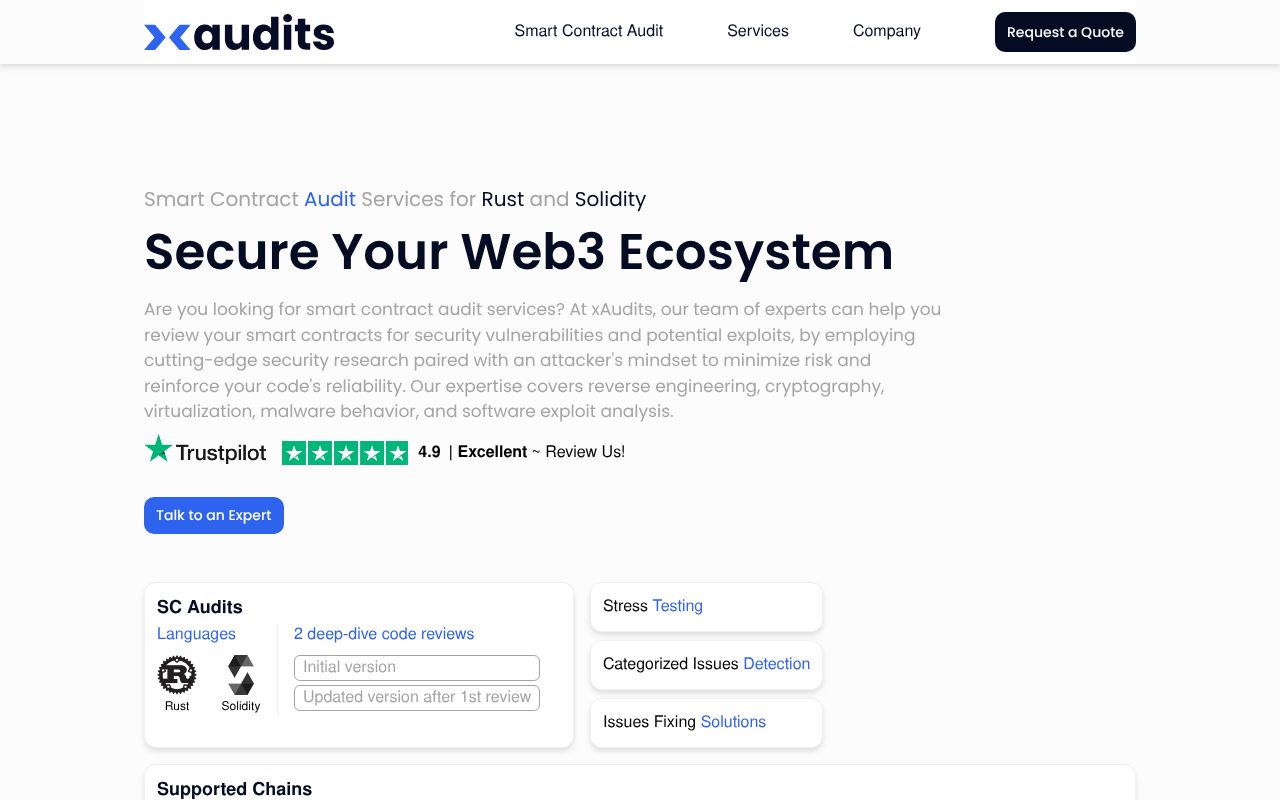
Crypto Audit Platforms 2026
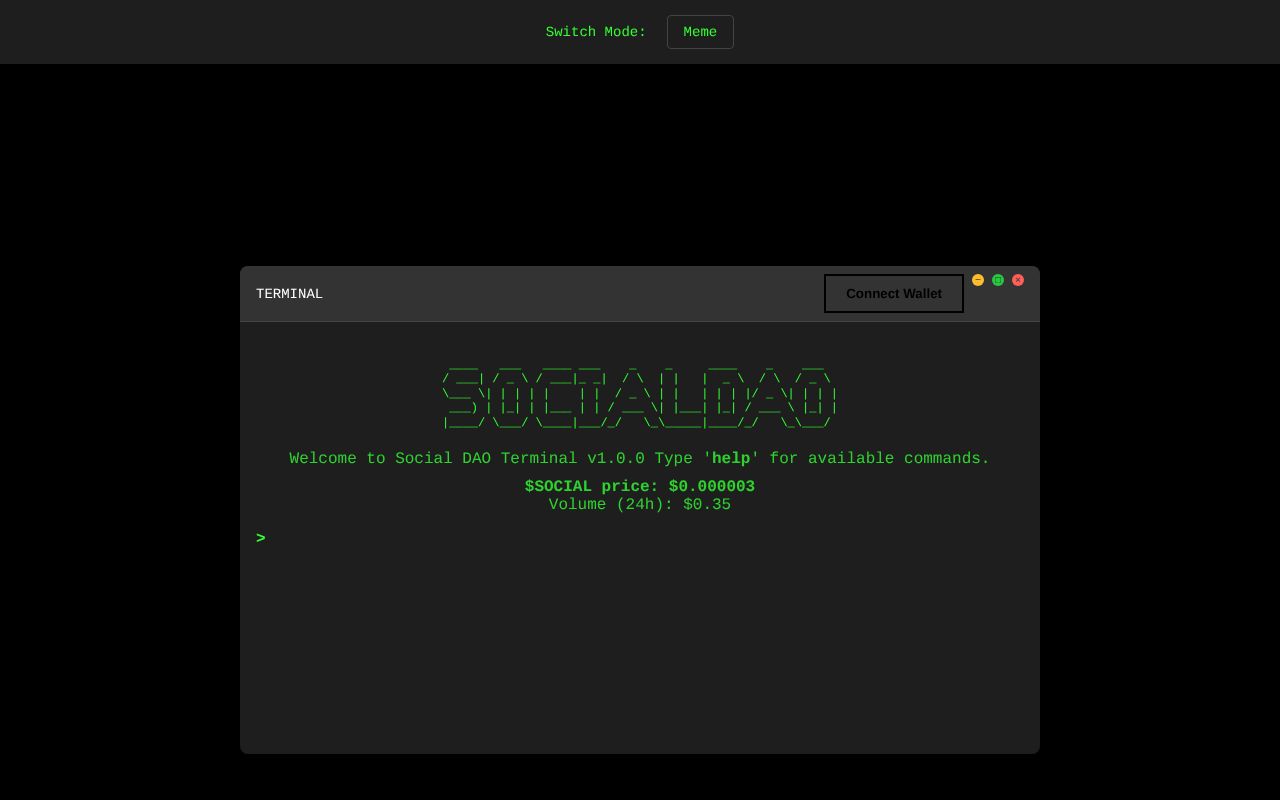
Web3 Social Networks 2026