
Top 7 Best PrePo Alternatives of 2026
Trading Pre-Markets in 2026 Without the Guesswork
PrePo is a exciting idea because it targets a simple need: people want price exposure before a token fully launches. In 2026, pre-market and “points-to-token” style trading has grown fast, since many top projects run long campaigns before a real exchange listing. Consequently, traders look for platforms that offer early pricing, clear settlement rules, and risk controls that normal spot trading does not cover.
This category matters because early-stage pricing can shape how communities value a project long before a token is liquid. Additionally, it helps users hedge exposure if they already hold points, allocations, or vesting claims. Notably, the best platforms make this process safer by publishing settlement details, defining what the contract tracks, and limiting counterparty risk.
Many users also care about how “truly decentralized” the settlement and custody model is. Specifically, traders want to avoid opaque IOUs, unclear conversion ratios, or custodial surprises at TGE. Moreover, features like transparent fees, strong market depth, and clear collateral systems can reduce the most common pre-market pitfalls.
Therefore, here are the 7 best PrePo alternatives currently leading the industry.
Best PrePo Alternatives to Use Right Now
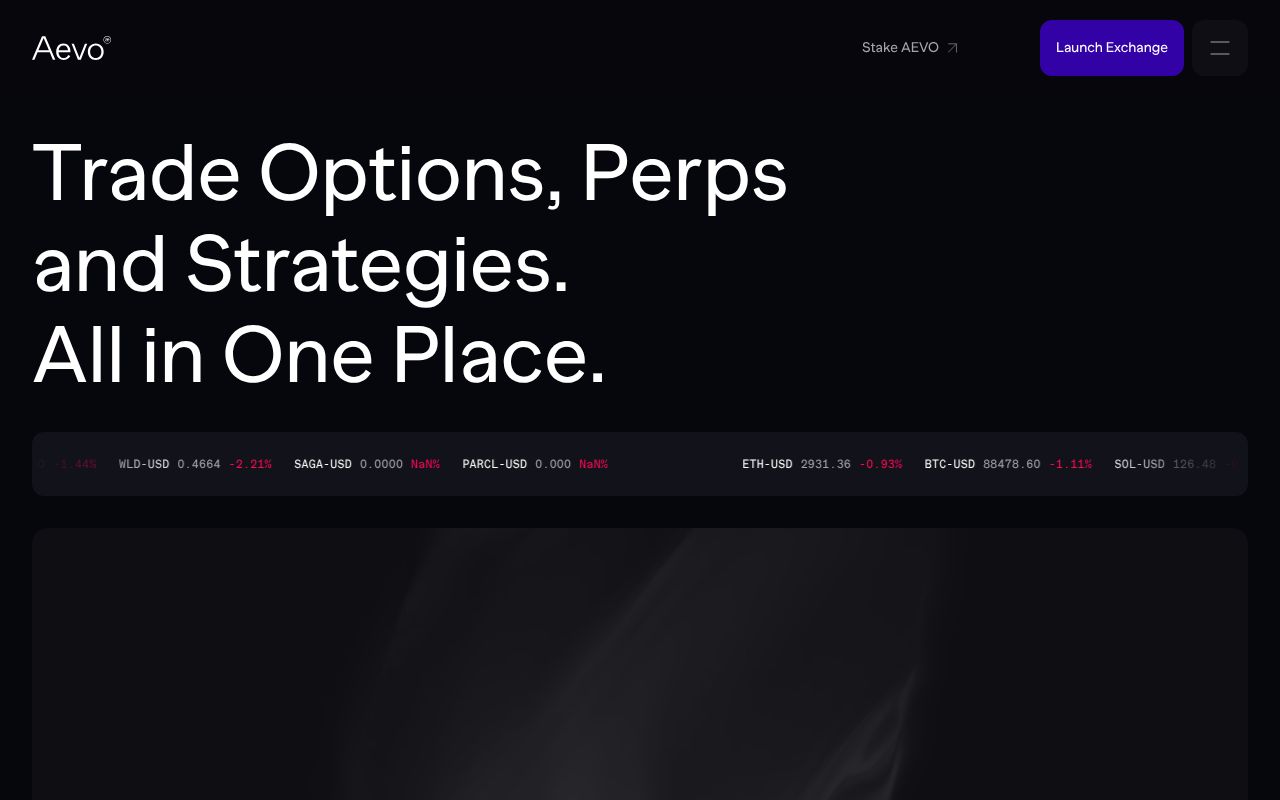
1. Aevo – Deep Liquidity for Pre-Launch Trading

Aevo tops our list as the most liquid choice for many pre-launch and event-based markets. Furthermore, this derivatives-focused platform operates with fast execution and active market makers, which can reduce slippage during volatile periods. Notably, Aevo excels in listing timely markets around narratives that traders actually follow.
What sets Aevo apart is its strong orderbook depth for event-style contracts. Specifically, it supports efficient price discovery so users can enter and exit without hunting for fills. Additionally, its interface is built for active traders who need quick risk controls. Moreover, with clearer pricing and reliable matching, Aevo delivers a smoother pre-market trading experience.
2. Whales Market – OTC-Style Deals for Points and Allocations

Whales Market tops our list as a common destination for OTC-like trading of points, airdrop expectations, and allocations. Furthermore, this marketplace operates by connecting buyers and sellers who want flexible deal terms. Notably, Whales Market excels in letting users negotiate around early-stage assets that do not fit standard exchange listings.
What sets Whales Market apart is its focus on airdrop and points markets. Specifically, it often supports listings that reflect current campaign demand. Additionally, it can be useful for users who want custom sizing rather than fixed contract formats. Moreover, with negotiation-friendly mechanics and active listings, Whales Market delivers practical exposure for pre-TGE positions.
3. Polymarket – Event Markets With Clear Outcomes
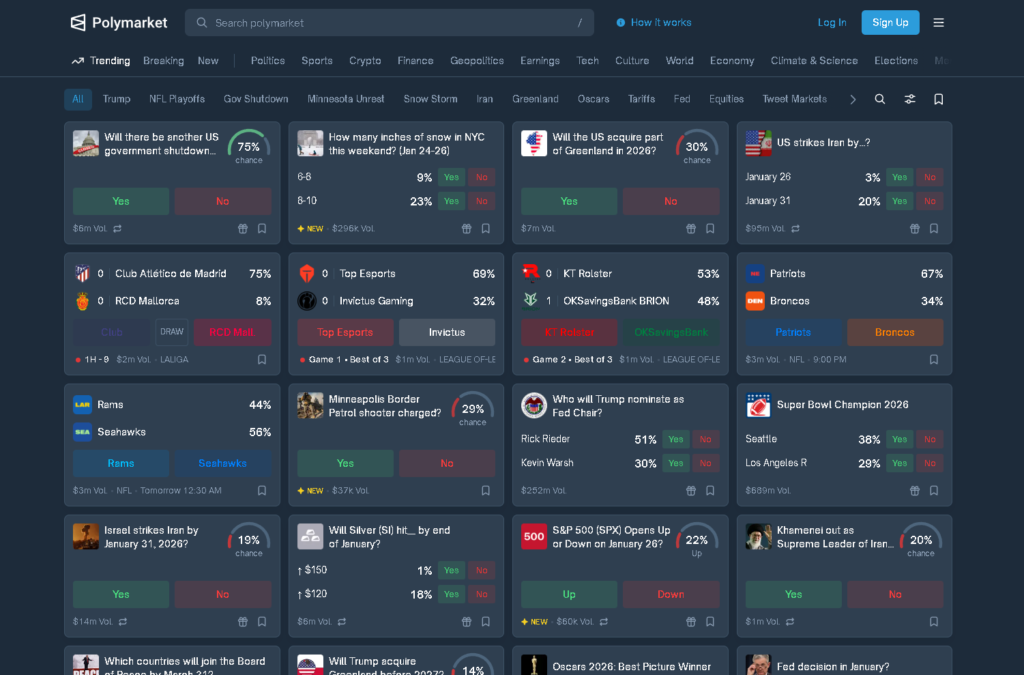
Polymarket tops our list as the most recognized platform for prediction-style markets. Furthermore, this event market platform operates with outcome-based contracts that settle on a defined result. Notably, Polymarket excels in clarity, since each market has specific resolution rules.
What sets Polymarket apart is its easy-to-understand “yes/no” structure. Specifically, users can trade narratives and milestones without needing a token listing. Additionally, its market design makes it simple to hedge opinions on launches, approvals, or timelines. Moreover, with straightforward settlement logic and strong user activity, Polymarket delivers clean exposure to crypto events.
4. Hyperliquid – Pro-Grade Perps With Fast Execution
Hyperliquid tops our list as a high-performance venue for perpetual futures traders. Furthermore, this trading platform operates with speed and a streamlined experience, which matters when volatility spikes. Notably, Hyperliquid excels in execution quality, which can be a big deal for active strategies.
What sets Hyperliquid apart is its user experience for fast derivatives trading. Specifically, it offers a clean interface that reduces mistakes during rapid moves. Additionally, it tends to attract serious traders, which can improve market quality. Moreover, with reliable order handling and strong tooling, Hyperliquid delivers a solid alternative for traders who want liquid derivatives exposure.
5. Drift – On-Chain Derivatives With DeFi Control
Drift tops our list as a strong on-chain choice for users who prefer DeFi-style trading. Furthermore, this platform operates with decentralized infrastructure, which appeals to users who value self-custody. Notably, Drift excels in giving traders a DeFi-native approach to leverage and hedging.
What sets Drift apart is its on-chain orientation and composable design. Specifically, it suits users who want to keep assets within a DeFi ecosystem instead of moving funds to a custodial venue. Additionally, its tools support active risk management for advanced users. Moreover, with DeFi flexibility and transparent mechanics, Drift delivers a more “truly decentralized” trading feel.
6. Kalshi – Regulated Event Trading for Clear Settlement
Kalshi tops our list as a regulated alternative for event-based trading. Furthermore, this platform operates with defined rulebooks and compliance-first market structures. Notably, Kalshi excels in settlement clarity, since outcomes are tied to verifiable real-world results.
What sets Kalshi apart is its regulation-driven approach. Specifically, this can matter for users who want strong consumer protections and transparent processes. Additionally, its contracts are designed around clear yes/no outcomes, which reduces confusion. Moreover, with structured rules and consistent settlement, Kalshi delivers a dependable event-market experience.
7. Opyn – Options Strategies for Advanced Hedging
Opyn tops our list as a useful option for users who want options-style hedging in DeFi. Furthermore, this platform operates with smart-contract based instruments that can support more complex risk plans. Notably, Opyn excels in hedging flexibility when traders want defined downside protection.
What sets Opyn apart is its options framework for strategy building. Specifically, users can structure positions that match different launch scenarios. Additionally, this can help traders manage uncertainty around timing and volatility. Moreover, with customizable risk profiles and DeFi execution, Opyn delivers a more strategic route for experienced users.
The Pre-Market Advantage
The best PrePo alternatives focus on early access, clearer settlement rules, and tools for managing volatility. Furthermore, they help users express views before a token is widely tradable, which can be a major edge in 2026. Consequently, this category keeps growing as more campaigns use points, milestones, and staged launches. Therefore, as blockchain markets mature, pre-launch trading and event markets will likely become a standard layer of crypto price discovery.
Comparison Table
| Platform | Best For | Typical Cost Drivers |
|---|---|---|
| Aevo | Pre-launch style markets with strong liquidity | Trading fees, funding, spread |
| Whales Market | OTC deals for points and allocations | Escrow fees, spread, deal terms |
| Polymarket | Simple event outcomes and narratives | Market spread, fees on trades |
| Hyperliquid | Fast perps trading and active risk management | Trading fees, funding, spread |
| Drift | DeFi-native derivatives and self-custody | Network fees, trading fees, spread |
| Kalshi | Regulated event trading and clear resolution | Contract fees, spread |
| Opyn | Options hedging and defined-risk strategies | Premiums, network fees, spread |
Note: “Typical Cost Drivers” summarizes the most common ways users pay, such as trading fees, spreads, funding rates on derivatives, network fees on DeFi, and any escrow or contract costs.
Decentralized GPU Compute Networks 2026

Web3 Learning Platforms 2026