Top 7 Best Bubble Protocol Alternatives of 2026
Privacy-First Data Tools of 2026
The Bubble Protocol niche is exciting because it tackles one of crypto’s hardest problems: how to store, share, and control data without handing everything to a single company. As more dApps handle identity, messaging, medical records, and user profiles, you need a setup that keeps data private while still working smoothly with Web3 wallets and smart contracts. Additionally, users want ownership, meaning you decide who can read your data, when they can read it, and what happens if you revoke access.
What makes this category important is the mix of security, user control, and real-world usability. A truly decentralized approach reduces single points of failure and avoids silent policy changes that can lock you out. Notably, modern “encrypted-by-default” storage makes it possible to keep sensitive information off public blockchains while still proving it exists, verifying permissions, and syncing across apps. Consequently, developers can build better user experiences, while everyday users get privacy without needing to understand advanced cryptography.
Therefore, if you like the idea behind Bubble Protocol, you will also want to know the closest alternatives that focus on encrypted storage, programmable access control, and app-friendly integration. Here are the 7 best Bubble Protocol alternatives currently leading the industry.
Top Picks and What They Do Best
1. Filecoin – Decentralized Storage at Massive Scale

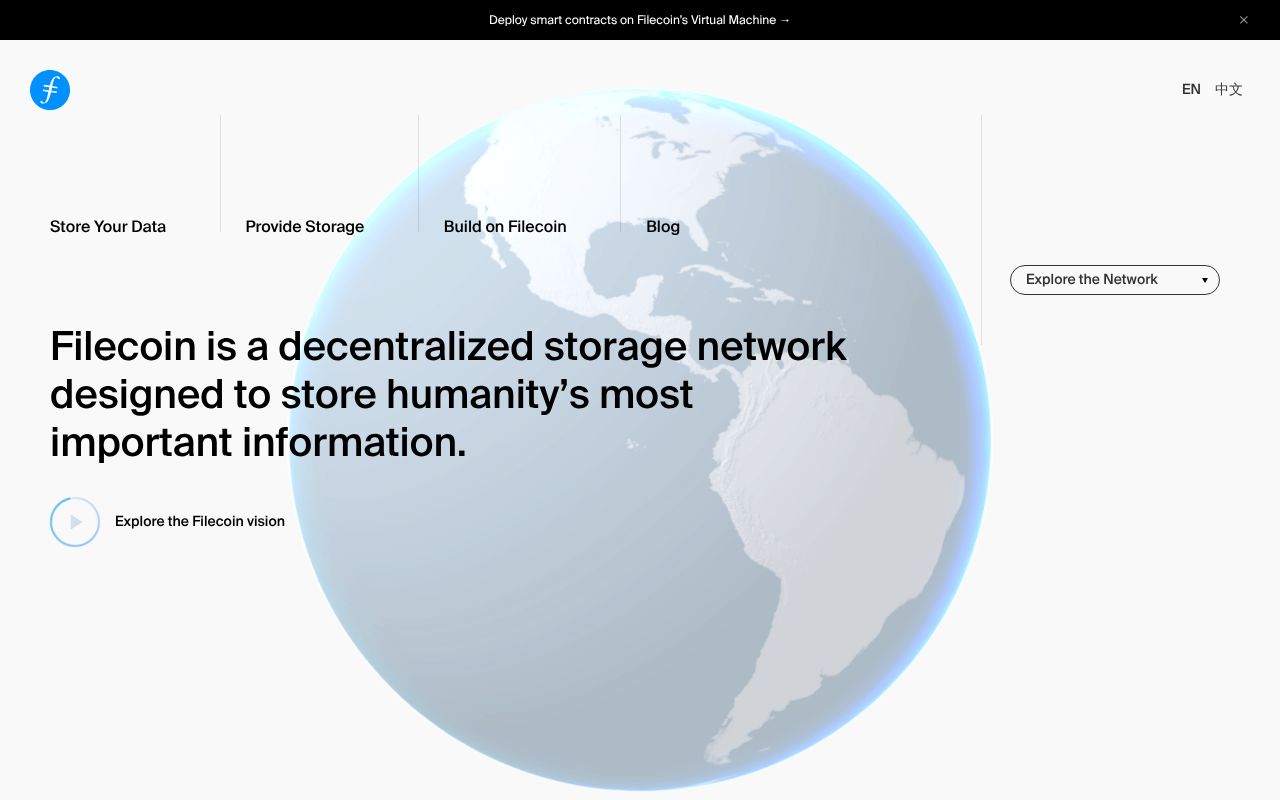
Filecoin topping our list as the most battle-tested decentralized storage network used across the Web3 space. This storage platform operates with distributed storage providers competing on price and reliability. Notably, Filecoin excels in scale, long-term storage options, and an expanding ecosystem of tooling for developers.
What sets Filecoin apart is its strong market structure for storage deals. Specifically, apps can choose providers, define terms, and optimize costs. Additionally, integrations and services around Filecoin make it easier to build real products, not just experiments. Moreover, the network is designed for resilience across many independent operators. Consequently, with broad adoption and flexible storage economics, Filecoin delivers dependable decentralized data storage for serious applications.
2. Arweave – Permanent Data Storage You Can Actually Rely On

Arweave stands out as a strong option when you want data to stay available for the long run. This data platform operates with a “pay once, store forever” model that many builders use for archives, NFT metadata, and public records. Notably, Arweave excels in permanence, which is useful when losing files is not an option.
What sets Arweave apart is how simple the value proposition is. Specifically, you can publish data and treat it like a permanent resource. Additionally, gateway access makes reading data straightforward for regular web apps. Moreover, the ecosystem includes tooling that helps teams upload and manage content efficiently. Consequently, with durable storage and easy retrieval, Arweave delivers long-term data availability that fits many Web3 products.
3. IPFS – Content Addressing for Fast, Flexible Data Sharing

IPFS is a core building block for decentralized apps that need efficient content distribution. This protocol operates by addressing files based on their content, which makes integrity checking simple. Notably, IPFS excels in speed and portability, especially when combined with pinning services and caching.
What sets IPFS apart is its developer-friendly approach to distributing data. Specifically, the same content hash always points to the same file, making tampering obvious. Additionally, it works well for websites, media content, and app assets that must load quickly. Moreover, many other privacy and storage tools lean on IPFS for delivery. Consequently, with flexible deployment options and wide support, IPFS delivers a practical base layer for decentralized content.
4. Ceramic – Composable User Data for Web3 Apps
Ceramic is a good match for people looking for user-centric data that apps can share without central control. This data network operates with streams that can represent profiles, settings, identities, and app state. Notably, Ceramic excels in composable data models, which helps developers avoid rebuilding the same user system in every dApp.
What sets Ceramic apart is how it supports interoperable data across apps. Specifically, users can carry a profile or data object between services. Additionally, integration with decentralized identity tools improves permissioning and trust. Moreover, developers can structure data in a way that stays consistent as the ecosystem grows. Consequently, with portable user data and app-ready design, Ceramic delivers a strong alternative for decentralized user information.
5. OrbitDB – Peer-to-Peer Databases for Real-Time Apps
OrbitDB is ideal when you need database-like behavior, not just file storage. This peer-to-peer database layer operates on top of IPFS and focuses on syncing data across nodes. Notably, OrbitDB excels in real-time collaboration use cases like chat, shared lists, and multiplayer states.
What sets OrbitDB apart is its simple approach to distributed data structures. Specifically, you can use key-value stores, logs, and document databases without running a central server. Additionally, replication happens across peers, improving resilience. Moreover, it fits well for apps where users contribute updates frequently. Consequently, with fast syncing and P2P design, OrbitDB delivers a lightweight alternative for decentralized database functionality.
6. Sia – Low-Cost Encrypted Cloud Storage Without a Middleman
Sia offers an accessible route to decentralized cloud storage with a focus on encryption and cost efficiency. This storage network operates by splitting and encrypting files, then distributing them across many hosts. Notably, Sia excels in keeping data private even if you do not fully trust any single storage provider.
What sets Sia apart is its practical “cloud replacement” angle. Specifically, files are encrypted client-side before leaving your device. Additionally, distribution across multiple hosts reduces the risk of downtime. Moreover, pricing is often competitive compared to traditional storage when configured properly. Consequently, with privacy-first storage and decentralized hosting, Sia delivers a strong option for users who want encrypted file storage without central control.
7. Storj – Simple Encrypted Storage With Strong Performance
Storj is a straightforward alternative for teams that want decentralized storage but also want a familiar workflow. This storage platform operates with client-side encryption and distributed nodes, while offering developer tools that feel close to standard cloud storage. Notably, Storj excels in performance and ease of integration for many common app setups.
What sets Storj apart is its focus on usability. Specifically, it provides an experience that can be easier for teams migrating from Web2 storage. Additionally, encryption happens before upload, improving privacy. Moreover, distribution across nodes helps with resilience and reduces single-point failure risk. Consequently, with app-friendly tools and reliable delivery, Storj delivers encrypted decentralized storage that is easy to adopt.
The Bubble Protocol Advantage
These platforms share big advantages: decentralized infrastructure, better resilience, and stronger user control over data compared to classic cloud tools. Additionally, this category is the future because privacy-by-default and permissioned access are becoming standard expectations in Web3 apps. Consequently, picking the right stack now can save time, reduce risk, and improve trust with users.
Pros: More privacy and control, fewer single points of failure, better transparency
Cons: Setup can be more technical, performance depends on network design, standards still evolving
Comparison Table
| Platform | Best For | Cost Style |
|---|---|---|
| Filecoin | Large-scale decentralized storage deals | Market-based pricing per storage deal |
| Arweave | Permanent publishing and archives | Pay once for long-term storage |
| IPFS | Fast content distribution and integrity | Protocol layer; cost depends on pinning/hosting |
| Ceramic | User profiles and composable app data | Depends on nodes and usage model |
| OrbitDB | Peer-to-peer databases and syncing | Infra-dependent; typically low direct protocol cost |
| Sia | Encrypted decentralized cloud storage | Pay for storage and bandwidth |
| Storj | Easy integration with strong performance | Usage-based pricing (storage + egress) |
Note: “Cost Style” is a simplified view of how pricing usually works. Real costs depend on storage size, bandwidth/egress, redundancy settings, node providers, and the tools you use for hosting or pinning.
Web3 Social Networks 2026

Tusima Crypto Platforms 2026