Create A Crypto Wallet
As digital assets continue to grow in popularity, learning how to create safe crypto wallet solutions is essential for anyone entering the blockchain ecosystem. A crypto wallet is not just a storage tool; it is the foundation of your security, privacy, and long-term asset protection. This article explains how to create safe crypto wallet setups using trusted wallet types, including paper wallets, Exodus, and other reputable local wallets, while also providing best practices for secure storage.
First, understand What a Crypto Wallet Really Is
A crypto wallet does not physically store cryptocurrency. Instead, it stores private keys that grant access to your funds on the blockchain. Anyone with access to these keys can control your assets. Therefore, when you create safe crypto wallet systems, you are essentially securing your private keys against theft, loss, or misuse.
Hot Wallets vs Cold Wallets
Hot wallets are connected to the internet and are convenient for frequent transactions. Cold wallets are offline and offer stronger security. A balanced strategy often uses both to create safe crypto wallet environments for daily use and long-term storage.
Paper Wallets: Maximum Offline Security
A paper wallet is one of the oldest methods to create safe crypto wallet storage. It involves generating a public and private key offline and printing them on paper. Because paper wallets are completely disconnected from the internet, they are immune to hacking and malware.
Best Practices for Paper Wallet Storage
- Generate the wallet on an offline, malware-free device
- Print multiple copies using a secure printer
- Store copies in fireproof and waterproof locations
- Never share or photograph the private key
Paper wallets are ideal for long-term holders who want to create safe crypto wallet solutions with minimal digital exposure.
You can create a bitcoin paper wallet here: Bitadress.org
Exodus Wallet: User-Friendly Local Wallet
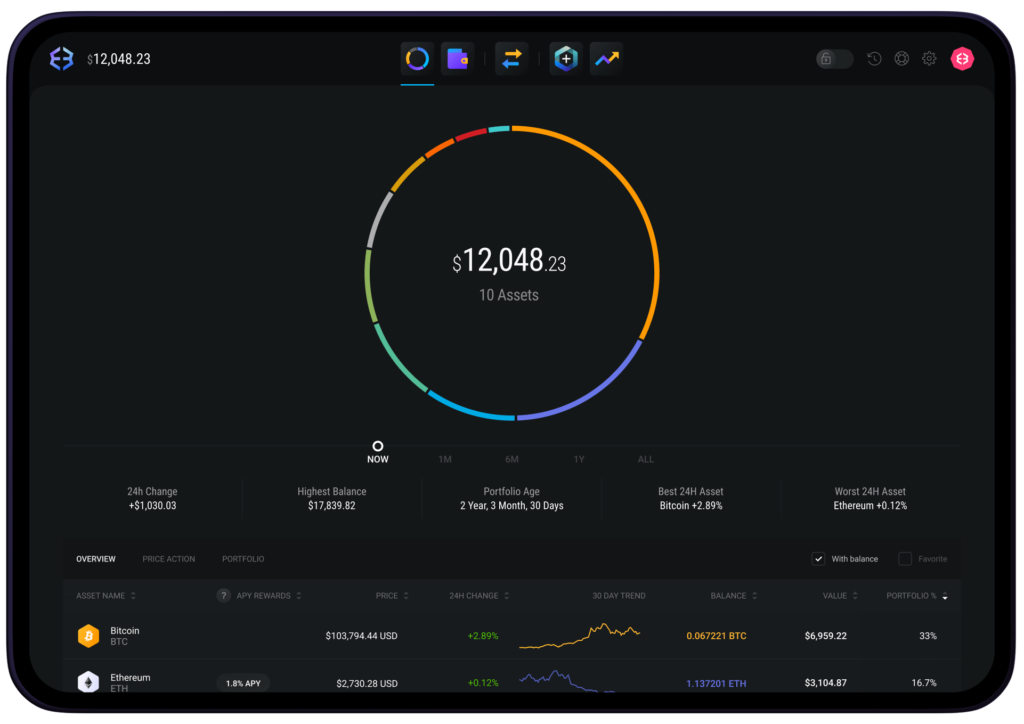
Exodus is a popular software wallet available for desktop and mobile devices. It allows users to manage multiple cryptocurrencies while maintaining control of private keys locally. For beginners looking to create safe crypto wallet systems without complexity, Exodus is a strong option.
Security Features of Exodus
- Local private key storage (not custodial)
- Encrypted wallet backups
- Simple recovery phrase system
To create safe crypto wallet protection with Exodus, always write down the recovery phrase on paper and store it offline.
Other Reliable Local Wallet Options
Electrum
Electrum is a lightweight Bitcoin wallet known for speed and advanced security features. It supports hardware wallet integration, making it easier to create safe crypto wallet configurations for Bitcoin-only users.
Trust Wallet
Trust Wallet is a mobile-first wallet that supports a wide range of assets. It stores keys locally on the device, allowing users to create safe crypto wallet setups while maintaining full ownership.
Atomic Wallet
Atomic Wallet provides decentralized storage with built-in encryption and backup phrases. It is another viable option when planning to create safe crypto wallet infrastructure across multiple assets.
Best Practices to Store Crypto Safely
Backup and Redundancy
Always maintain multiple backups of recovery phrases and private keys. Avoid cloud storage, email, or screenshots. Offline backups are essential to create safe crypto wallet protection.
Physical and Digital Security
Use strong passwords, enable device-level encryption, and keep operating systems updated. If possible, separate devices for storage and daily use to further create safe crypto wallet layers.
Creating A Wallet is Easy but not always Safe.
Learning how to create safe crypto wallet solutions is a critical responsibility for every crypto user. Whether you choose paper wallets for cold storage, Exodus for convenience, or advanced local wallets like Electrum, security should always come first. With proper setup, backups, and disciplined storage practices, you can confidently create safe crypto wallet systems that protect your digital assets for years to come.
How do you safely store your wallet? Let us know in the comments below