Top 7 Best Ethereum Wallet Options of 2026
Self-Custody Ethereum in 2026 Without the Headaches
Ethereum is still the chain where most serious on-chain activity happens, including DeFi, NFTs, stablecoins, and token launches. Because of that, picking the right wallet is not a small decision. The wallet you choose controls how safely you store your keys, how easily you interact with dApps, and how fast you can move when markets change. Additionally, a good wallet helps you avoid common mistakes like signing malicious approvals, connecting to fake sites, or losing access to your funds.
In 2026, the best Ethereum wallets also handle Layer-2 networks, token swaps, and Web3 logins with fewer clicks. Consequently, beginners can move from buying ETH to using on-chain apps without feeling lost. Therefore, here are the 7 best Ethereum wallet options currently leading the industry.
Top Picks for Ethereum Wallets This Year
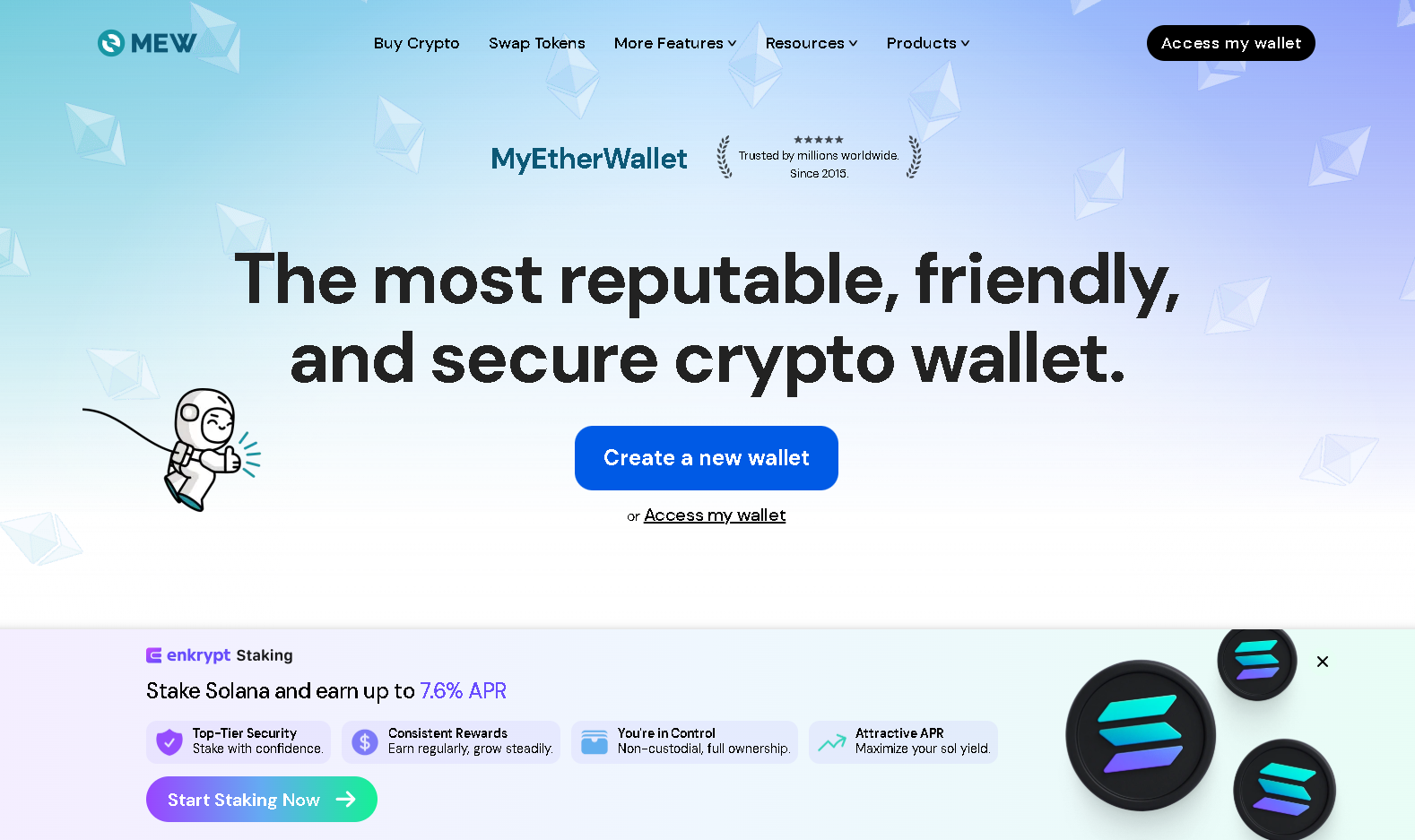
1. MyEtherWallet – The Classic Self-Custody Ethereum Toolbox
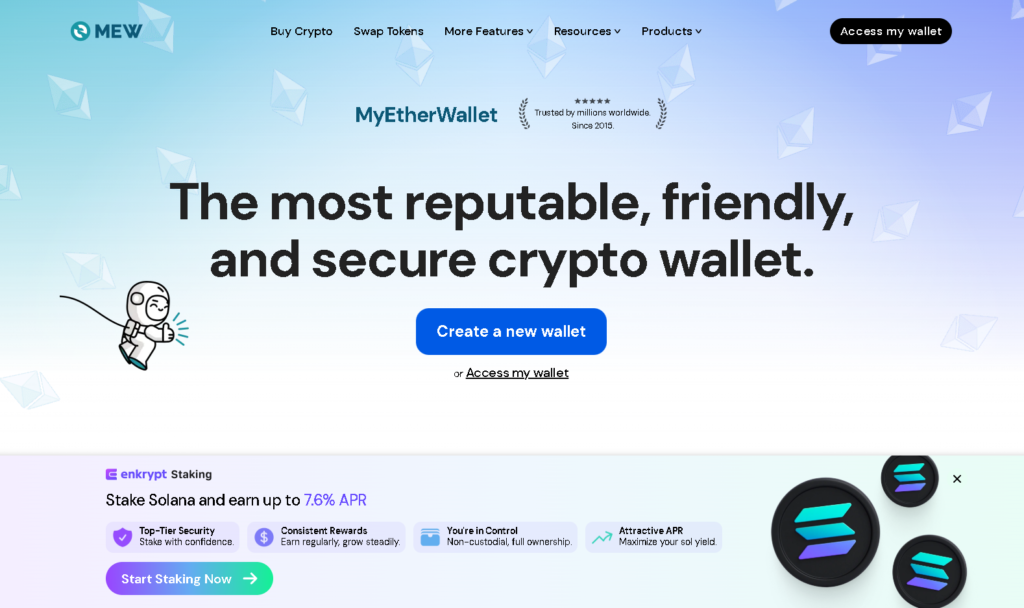
MyEtherWallet tops our list as the most proven Ethereum-first wallet interface for self-custody. Furthermore, this long-running platform operates with a strong focus on direct Ethereum access, letting users manage ETH, ERC-20 tokens, and interact with the chain without handing over private keys. Notably, MyEtherWallet excels in flexibility, since it works well with hardware wallets and common self-custody setups.
What sets MyEtherWallet apart is its straightforward, no-nonsense approach to Ethereum management. Specifically, it supports secure key handling options and hardware wallet connections. Additionally, it offers practical tools for sending, receiving, and viewing assets with clear transaction details. Moreover, it remains a trusted starting point for users who want a truly decentralized way to control funds. Consequently, with reliable Ethereum support and familiar workflows, MyEtherWallet delivers confident self-custody for everyday users.
2. MetaMask – The Web3 Wallet Most dApps Expect

MetaMask tops our list as the most widely supported browser wallet for Ethereum apps. Furthermore, this popular platform operates as a bridge between your wallet and thousands of dApps, making it easy to connect, sign, and transact. Notably, MetaMask excels in compatibility, since most DeFi and NFT sites design their wallet flow around it.
What sets MetaMask apart is its huge ecosystem and quick setup for beginners. Specifically, you can add networks, manage tokens, and connect to dApps in seconds. Additionally, it supports hardware wallets for stronger security. Moreover, it offers in-wallet swapping and basic token management to reduce friction. Consequently, with broad dApp support and simple onboarding, MetaMask delivers fast access to the Ethereum economy.
3. Rabby Wallet – Cleaner Signing and Safer Transactions

Rabby Wallet tops our list as the best wallet for users who want clearer transaction prompts. Furthermore, this security-focused platform operates with smart warnings and better readability when you are about to sign a transaction. Notably, Rabby excels in helping users avoid common approval traps and confusing signing requests.
What sets Rabby Wallet apart is its user-friendly risk reduction during real Web3 usage. Specifically, it can highlight suspicious interactions and display more context before confirming. Additionally, it often streamlines multi-network usage for Ethereum and common L2s. Moreover, it aims to reduce “blind signing,” which is a major cause of wallet drains. Consequently, with better message clarity and safety hints, Rabby Wallet delivers a more confident Ethereum dApp experience.
4. Ledger – Hardware Security for Long-Term Holding
Ledger tops our list as the strongest option for cold storage security if you regularly hold meaningful amounts. Furthermore, this hardware-based platform operates by keeping your private keys offline, so malware on your computer cannot directly steal them. Notably, Ledger excels in protecting long-term ETH and token portfolios with proven device-level safeguards.
What sets Ledger apart is its offline key storage combined with broad wallet integrations. Specifically, you can use it with MyEtherWallet, MetaMask, and other interfaces for Ethereum activity. Additionally, it supports many assets and networks beyond Ethereum. Moreover, it makes high-value transactions feel safer because approvals happen on the physical device. Consequently, with offline security and wide compatibility, Ledger delivers serious protection for self-custody users.
5. Trezor – Simple Cold Storage With an Easy UX
Trezor tops our list as the most beginner-friendly hardware wallet experience for many users. Furthermore, this trusted platform operates with a clean interface and strong security basics, keeping keys off your daily computer. Notably, Trezor excels in clarity, which helps reduce user errors during setup and recovery.
What sets Trezor apart is its simple flow for secure ownership. Specifically, it focuses heavily on recovery seed best practices and transparent device confirmations. Additionally, it integrates with popular Web3 wallets so you can still use DeFi while staying protected. Moreover, it is a strong match for users who want cold storage without feeling overwhelmed. Consequently, with clean design and hardware-grade security, Trezor delivers safe Ethereum control with fewer mistakes.
6. Trust Wallet – Mobile-First Ethereum Access Anywhere
Trust Wallet tops our list as a convenient mobile wallet for managing Ethereum on the go. Furthermore, this app-based platform operates with a user-friendly interface that makes sending, receiving, and browsing tokens straightforward. Notably, Trust Wallet excels in accessibility because it is designed for quick daily use from your phone.
What sets Trust Wallet apart is its mobile convenience paired with broad token support. Specifically, it helps users view tokens and manage addresses without complex setup. Additionally, it supports in-app browsing for Web3 connections on mobile. Moreover, it offers swapping features that reduce the need to jump between multiple apps. Consequently, with portable access and a simple layout, Trust Wallet delivers easy Ethereum management for beginners.
7. Coinbase Wallet – Beginner-Friendly Web3 With Smooth Onboarding
Coinbase Wallet tops our list as a smooth entry point for users who want a simple Web3 wallet experience. Furthermore, this self-custody platform operates separately from exchange accounts, so you still control your keys. Notably, Coinbase Wallet excels in onboarding and usability, which helps new users start safely.
What sets Coinbase Wallet apart is its polished experience for connecting to Ethereum apps. Specifically, it makes it easy to store tokens, manage NFTs, and use dApps with fewer steps. Additionally, it supports common networks and can work with other Web3 tools. Moreover, it provides a clean interface that is easier for beginners than many browser-first wallets. Consequently, with strong usability and self-custody control, Coinbase Wallet delivers an approachable Ethereum wallet option.
The Ethereum Wallet in 2026
The best Ethereum wallets share key benefits like self-custody control, dApp connectivity, and clearer security choices. Additionally, they make Ethereum usable for normal people by simplifying signing, swaps, and network access. Notably, this category represents the future because truly decentralized ownership is the point of blockchain. Consequently, as smart accounts, Layer-2 scaling, and safer signing standards mature, Ethereum wallets will keep evolving into even more secure everyday tools.
Comparison Table
| Wallet | Best For | Typical Cost |
|---|---|---|
| MyEtherWallet | Ethereum-first self-custody and hardware wallet use | Free (network gas fees apply) |
| MetaMask | Broad dApp compatibility and browser usage | Free (network gas fees apply) |
| Rabby Wallet | Clearer signing prompts and safety warnings | Free (network gas fees apply) |
| Ledger | Cold storage and high-value account security | Paid device + network gas fees |
| Trezor | Simple cold storage with clean setup | Paid device + network gas fees |
| Trust Wallet | Mobile-first token management and quick access | Free (network gas fees apply) |
| Coinbase Wallet | Easy onboarding and beginner-friendly Web3 | Free (network gas fees apply) |
Note: “Typical Cost” covers wallet app pricing and hardware device costs if needed. Ethereum network gas fees apply to on-chain actions like transfers, swaps, and approvals, and can change based on network demand.
Crypto Rollups 2026

Best Cross-Chain Bridges 2026