Top 7 Best Quadratic Funding Platforms of 2026
Quadratic Funding Picks of 2026
Quadratic funding is one of the most exciting ways to support public goods in crypto because it rewards broad community backing, not just a few big donors. It matters because many open-source tools, education projects, and community apps struggle to get steady funding, even when thousands of people rely on them every day. Additionally, quadratic funding makes small contributions count more, which helps better ideas win without depending on whales.
A key reason this category is growing fast is transparency. Notably, many platforms now offer on-chain proof, public matching rules, and verifiable payout logic, so users can see where money goes. Some options even aim to be truly decentralized, which reduces the risk of a single gatekeeper deciding which projects get attention. Consequently, builders can focus on shipping, while supporters can fund with confidence.
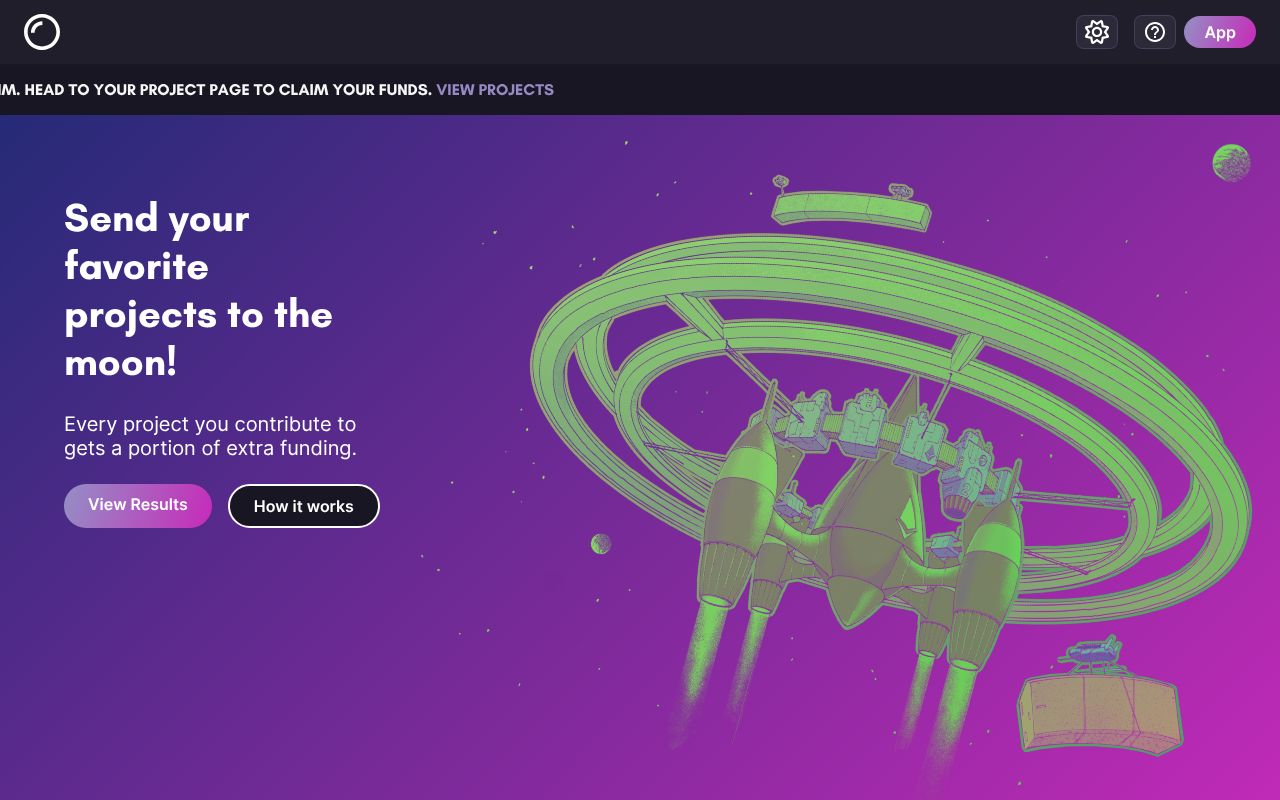
clr.fund is especially important in this space because it has helped bring quadratic funding to Ethereum communities using open mechanisms and a simple donation flow. Specifically, it is designed to make community-driven matching rounds easier to run and easier to audit. Moreover, the best platforms in 2026 also improve identity and anti-sybil protections, which helps keep rounds fair.
Therefore, here are the 7 best quadratic funding platforms currently leading the industry.
Best Quadratic Funding Platforms to Use Now
1. clr.fund – Community-Powered Quadratic Rounds

clr.fund tops our list as a mission-first quadratic funding option for public goods. Furthermore, this open mechanism platform operates with clear matching logic designed for community rounds. Notably, clr.fund excels in making it easy for donors to discover projects and contribute in minutes.
What sets clr.fund apart is its focus on transparent round execution. Specifically, it is built around quadratic funding so small donors have real influence on matching outcomes. Additionally, it supports round organizers who want a straightforward way to run campaigns without heavy complexity. Moreover, its public approach to funding rounds helps communities verify what happened and why. Consequently, with fairer matching and better visibility into outcomes, clr.fund delivers a practical way to grow grassroots funding.
2. Gitcoin – The Classic Public Goods Engine

Gitcoin tops our list as the most recognized name in quadratic funding for crypto public goods. Furthermore, this battle-tested platform operates with recurring rounds and a large network of builders and donors. Notably, Gitcoin excels in discovery, since many contributors browse it as a default hub for impact-driven projects.
What sets Gitcoin apart is its mature ecosystem and tooling. Specifically, it offers structured rounds that can be tailored to themes like Ethereum, climate, or local communities. Additionally, it has stronger guardrails than most newcomers, including identity and anti-sybil efforts depending on the round. Moreover, it integrates well with common crypto wallets, so donating is simple. Consequently, with scale and proven distribution, Gitcoin delivers reliable momentum for projects that want long-term supporters.
3. Giveth – Donation-First Funding With Heart

Giveth tops our list as a donation-centric platform that feels approachable for everyday supporters. Furthermore, this community-built platform operates with an emphasis on transparency and giving, which makes it easy to understand even for beginners. Notably, Giveth excels in creating a friendly path from browsing causes to taking action.
What sets Giveth apart is its strong culture around impact and public accountability. Specifically, projects often provide clear updates so donors know what their funds supported. Additionally, Giveth has promoted crypto-native giving tools that make recurring support easier. Moreover, its ecosystem is designed to help donors engage beyond a single transaction. Consequently, with clear storytelling and accessible funding flows, Giveth delivers a smooth way to fund good work in web3 communities.
4. Optimism Retro Funding – Rewards That Look Back, Not Forward
Optimism Retro Funding tops our list as the most different style of public goods rewards compared to normal grant platforms. Furthermore, this program operates by paying projects after they deliver measurable value, which aligns incentives in a simple way. Notably, Optimism’s approach excels in rewarding real outcomes instead of promises.
What sets Optimism Retro Funding apart is its retrospective design. Specifically, teams can focus on shipping first and earning later based on proven impact. Additionally, it encourages builders to support the ecosystem because value creation can be recognized and paid. Moreover, it helps reduce waste since funding decisions consider what actually worked. Consequently, with outcome-based rewards and strong ecosystem alignment, Optimism Retro Funding delivers a powerful model for sustainable public goods.
5. Arbitrum Grants – Scaling Support for Builders
Arbitrum Grants tops our list as a strong option for teams building on a major Layer 2 ecosystem. Furthermore, this grants-focused platform operates with community conversations and structured processes that aim to allocate capital toward growth. Notably, Arbitrum’s ecosystem excels in attracting builders who want lower fees and high throughput.
What sets Arbitrum Grants apart is ecosystem-specific leverage. Specifically, projects that improve the chain’s apps, tooling, and user experience can fit naturally into funding goals. Additionally, the community often evaluates proposals with a focus on measurable adoption. Moreover, the network effect of a popular L2 can amplify funded projects faster. Consequently, with targeted support and a large user base nearby, Arbitrum Grants delivers a practical route to scale real products.
6. Idoos – Simple Grant Discovery for New Donors
Idoos tops our list as a simpler way to browse and support crypto projects without getting lost in complex grant jargon. Furthermore, this discovery-friendly platform operates with a focus on clarity and ease-of-use, which helps first-time donors participate. Notably, Idoos excels in helping users find initiatives that match their interests quickly.
What sets Idoos apart is its emphasis on accessibility. Specifically, it aims to reduce friction between “I want to support something” and “I just donated.” Additionally, it can work well as a starting point for donors who are still learning how public goods funding works. Moreover, its straightforward presentation makes it easier for projects to explain value. Consequently, with faster discovery and simpler action steps, Idoos delivers a beginner-friendly entry into crypto giving.
7. Coinbase Giving – Mainstream-Friendly Crypto Donations
Coinbase Giving tops our list as a mainstream-leaning option for people who want an easy donation flow. Furthermore, this platform operates with a familiar exchange-style experience that many users already understand. Notably, Coinbase Giving excels in reducing the fear factor for newcomers who are donating crypto for the first time.
What sets Coinbase Giving apart is its user familiarity and convenience. Specifically, donors can often contribute using assets they already hold without extra setup. Additionally, it can be a practical bridge for traditional donors moving into on-chain philanthropy. Moreover, the brand recognition can help some campaigns reach new audiences beyond core crypto users. Consequently, with easy onboarding and broad reach, Coinbase Giving delivers a simple on-ramp to supporting causes.
The Quadratic Funding Advantage
Quadratic funding platforms share clear benefits like transparent tracking, community-led outcomes, and faster ways to back public goods. Additionally, they push funding power toward many small supporters instead of a few large wallets. Notably, this category looks like the future because it matches how open-source and web3 communities actually work. Consequently, as blockchain tooling evolves, these models should become even more fair, more automated, and more decentralized.
Comparison Table
| Platform | Best For | Typical Strength |
|---|---|---|
| clr.fund | Quadratic funding rounds for communities | Transparent matching and round mechanics |
| Gitcoin | Large-scale public goods funding | Big donor base and proven rounds |
| Giveth | Donation-first giving and impact stories | Easy giving flow and community engagement |
| Optimism Retro Funding | Rewarding shipped impact | Outcome-based incentives |
| Arbitrum Grants | Ecosystem projects on a major L2 | Scale, adoption focus, and network effects |
| Idoos | Beginner-friendly grant discovery | Simple listings and quick navigation |
| Coinbase Giving | Mainstream crypto donations | Familiar UX and easier onboarding |
Note: “Best For” reflects the most common use case, while “Typical Strength” highlights the main advantage users report, such as transparency, scale, or ease of onboarding.
Veramo Tools 2026
Crypto Rollups 2026