Top 7 Best Subgraph Studio Alternatives of 2026
Indexing Smarter in 2026
Subgraph Studio has helped many teams publish and manage subgraphs, but the demand in 2026 is bigger than just pushing schema updates. Builders now want faster indexing, simpler deployment, stronger analytics, and clear uptime guarantees, especially when apps need real-time data across many chains. Additionally, the best options today reduce the painful parts of maintaining data pipelines, like reorg handling, backfills, and version control.
Many teams also prefer a truly decentralized approach where possible, so they are not relying on a single point of failure. Specifically, decentralized indexing networks can distribute risk, improve censorship resistance, and keep critical data services running even when one provider has issues. Moreover, centralized indexers still play a big role when you need quick setup, enterprise SLAs, and managed performance tuning.
Therefore, here are the 7 best Subgraph Studio alternatives currently leading the industry.
Top Picks for Subgraph Studio Alternatives
1. The Graph – The Decentralized Indexing Standard

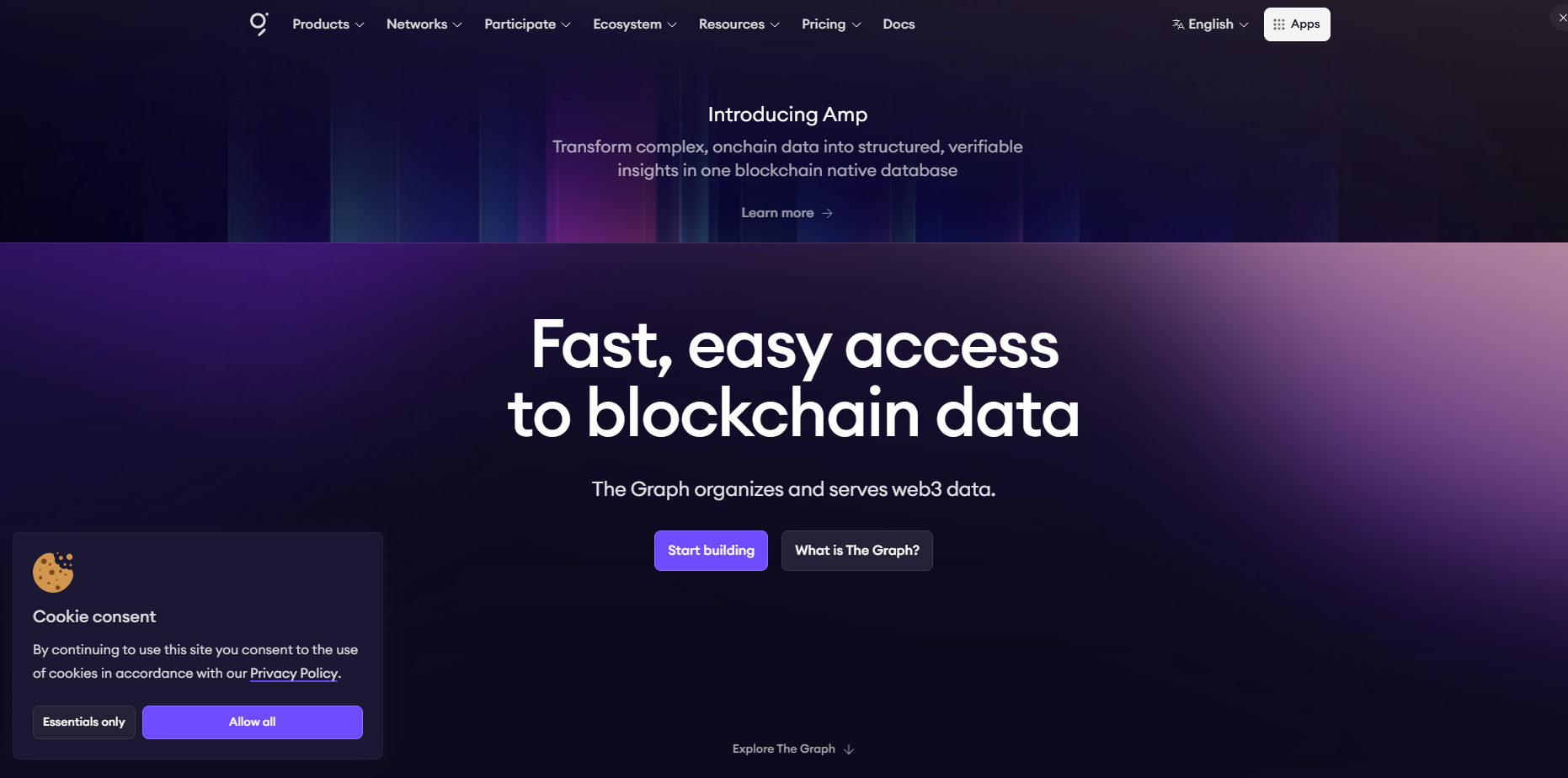
The Graph tops our list as the most established option for subgraph-style indexing at scale. Furthermore, this indexing network supports decentralized query execution through Indexers and Curators, which reduces reliance on a single provider. Notably, The Graph excels in community adoption, tooling, and a familiar developer workflow for teams already used to subgraphs.
What sets The Graph apart is its move toward truly decentralized data access for production apps. Specifically, you can route queries through the decentralized network while still using robust subgraph definitions. Additionally, the ecosystem includes mature docs, hosted tooling history, and strong interoperability with popular Web3 stacks. Moreover, it supports many chains and keeps expanding coverage. Consequently, with decentralization, broad adoption, and flexible deployment paths, The Graph delivers dependable onchain data for serious apps.
2. Goldsky – Fast Subgraphs and Managed Data Pipelines

Goldsky tops our list as a high-speed managed alternative for teams that want subgraph-like workflows without operational headaches. Furthermore, this developer-focused platform operates with optimized indexing, quick deployments, and strong performance for production query loads. Notably, Goldsky excels in time-to-launch, which is ideal when you need data indexed yesterday.
What sets Goldsky apart is its practical focus on shipping and scaling. Specifically, teams can use familiar patterns while getting managed infrastructure and better operational visibility. Additionally, it supports backfills and data reliability features that reduce downtime risk. Moreover, it fits well for multi-chain products that need consistent data across environments. Consequently, with managed speed, simplified operations, and predictable performance, Goldsky delivers a strong “build fast” indexing experience.
3. SubQuery – Flexible Multi-Chain Data Indexing

SubQuery tops our list as a flexible indexing choice for teams building across many ecosystems. Furthermore, this indexing platform operates with a developer-friendly approach that supports multiple chains and custom data extraction. Notably, SubQuery excels in adaptability, which is useful when your app needs more than standard event indexing.
What sets SubQuery apart is its broad chain support and modular approach. Specifically, you can build tailored indexing logic and expose data through an API that fits your app’s needs. Additionally, managed options help reduce DevOps work for smaller teams. Moreover, it offers tools that help monitor projects and improve reliability. Consequently, with customization, multi-chain reach, and accessible tooling, SubQuery delivers an indexing workflow that scales with product complexity.
4. Covalent – Unified Blockchain Data APIs for Apps
Covalent tops our list as a strong pick for teams that prefer ready-to-use data APIs over maintaining subgraph mappings. Furthermore, this data platform operates by standardizing access to blockchain data across many networks. Notably, Covalent excels in speed of integration since many endpoints can be used with minimal custom indexing work.
What sets Covalent apart is its focus on normalized, developer-friendly data outputs. Specifically, you can query balances, transactions, and token data in consistent formats across chains. Additionally, this can reduce the time spent debugging chain-specific quirks. Moreover, it’s a practical option for dashboards, wallets, and portfolio tools that need broad coverage. Consequently, with fast integration and standardized multi-chain data, Covalent delivers a simple path to production-grade onchain insights.
5. Alchemy – Enterprise-Grade Web3 Data and Reliability
Alchemy tops our list as a premium option for teams that want strong infrastructure plus data-enhancing tools. Furthermore, this Web3 platform operates with robust RPC services, performance tooling, and developer products designed for production reliability. Notably, Alchemy excels in stability and observability, which matters when users expect instant app responses.
What sets Alchemy apart is its all-in-one developer platform approach. Specifically, teams can combine node access, enhanced APIs, and monitoring to reduce incidents. Additionally, it can simplify scaling during traffic spikes and high-volatility market events. Moreover, it fits well for companies that need a clearer reliability story for users and partners. Consequently, with strong uptime focus and polished developer tooling, Alchemy delivers performance that rivals in-house infrastructure.
6. Moralis – Quick Web3 APIs for Builders
Moralis tops our list as a beginner-friendly option for teams that want fast Web3 data access with minimal setup. Furthermore, this developer platform operates with simple APIs that help you fetch token, NFT, and wallet data without building custom indexers first. Notably, Moralis excels in speed for prototypes and MVPs that need to get working features in front of users.
What sets Moralis apart is its focus on convenience and common app use cases. Specifically, you can plug in endpoints for wallet views, NFT metadata, and transaction history. Additionally, it can reduce the need for bespoke indexing when the data requirements are standard. Moreover, it supports multi-chain apps that need similar features everywhere. Consequently, with easy APIs and fast integration, Moralis delivers a practical route from idea to usable product.
7. QuickNode – High-Performance Node and Data Infrastructure
QuickNode tops our list as a serious infrastructure choice for teams that want speed, scalability, and global reliability. Furthermore, this platform operates with fast node access and developer tools aimed at reducing latency and downtime. Notably, QuickNode excels in performance tuning and global coverage for apps with international user bases.
What sets QuickNode apart is its infrastructure-first approach with practical tooling. Specifically, teams can scale RPC capacity and improve resilience during high traffic. Additionally, it supports many networks, making it easier to expand product coverage over time. Moreover, it’s a strong fit for apps that need stable foundations before adding custom indexing layers. Consequently, with scalable infrastructure and reliable access, QuickNode delivers a stable backbone for data-heavy Web3 products.
The Subgraph Studio
The best Subgraph Studio alternatives share clear benefits: faster data access, better reliability, and simpler tooling for real-world apps. Additionally, teams can choose between truly decentralized indexing or managed services with strong uptime. Consequently, this category is shaping the future because every onchain product needs dependable data to compete. Therefore, as blockchain adoption grows, indexing and data platforms will keep evolving into more scalable, developer-friendly building blocks.
Comparison Table
| Platform | Best For | Pricing Feel |
|---|---|---|
| The Graph | Decentralized indexing with subgraph workflows | Query-fee based, varies by usage |
| Goldsky | Managed indexing for fast production launches | Tiered plans, scales with demand |
| SubQuery | Custom indexing across multiple ecosystems | Managed and self-host options |
| Covalent | Standardized multi-chain data APIs | API-based pricing tiers |
| Alchemy | Enterprise reliability plus developer tooling | Premium tiers for scale |
| Moralis | Quick APIs for wallets, NFTs, and MVPs | Subscription tiers by usage |
| QuickNode | High-performance node infrastructure | Tiered infrastructure plans |
Note: “Best For” reflects the most common use case, while “Pricing Feel” is a simple expectation of how costs usually scale based on API calls, query volume, or infrastructure usage.
Veramo Tools 2026
Crypto Rollups 2026