Top 7 Best The Graph Alternatives of 2026
Indexing Smarter in 2026
The Graph is one of the most important building blocks in Web3 because it helps apps fetch blockchain data fast without running heavy custom servers. When teams build DeFi dashboards, NFT analytics, wallet trackers, or onchain games, they need clean and reliable data access. Additionally, they need it in a way that keeps apps stable when traffic spikes, and that keeps query results consistent.
A key goal many builders want is a truly decentralized data layer, where data access is not controlled by one company or one server cluster. Specifically, decentralized indexing can improve censorship resistance and reliability, since multiple independent operators serve data. Moreover, modern alternatives also add real-time streams, cross-chain coverage, and ready-made datasets for common use cases like DEX trades and token balances.
Therefore, here are the 7 best The Graph alternatives currently leading the industry.
Top Picks for Onchain Data in 2026
1. Goldsky – Fast Subgraphs Without the Headaches

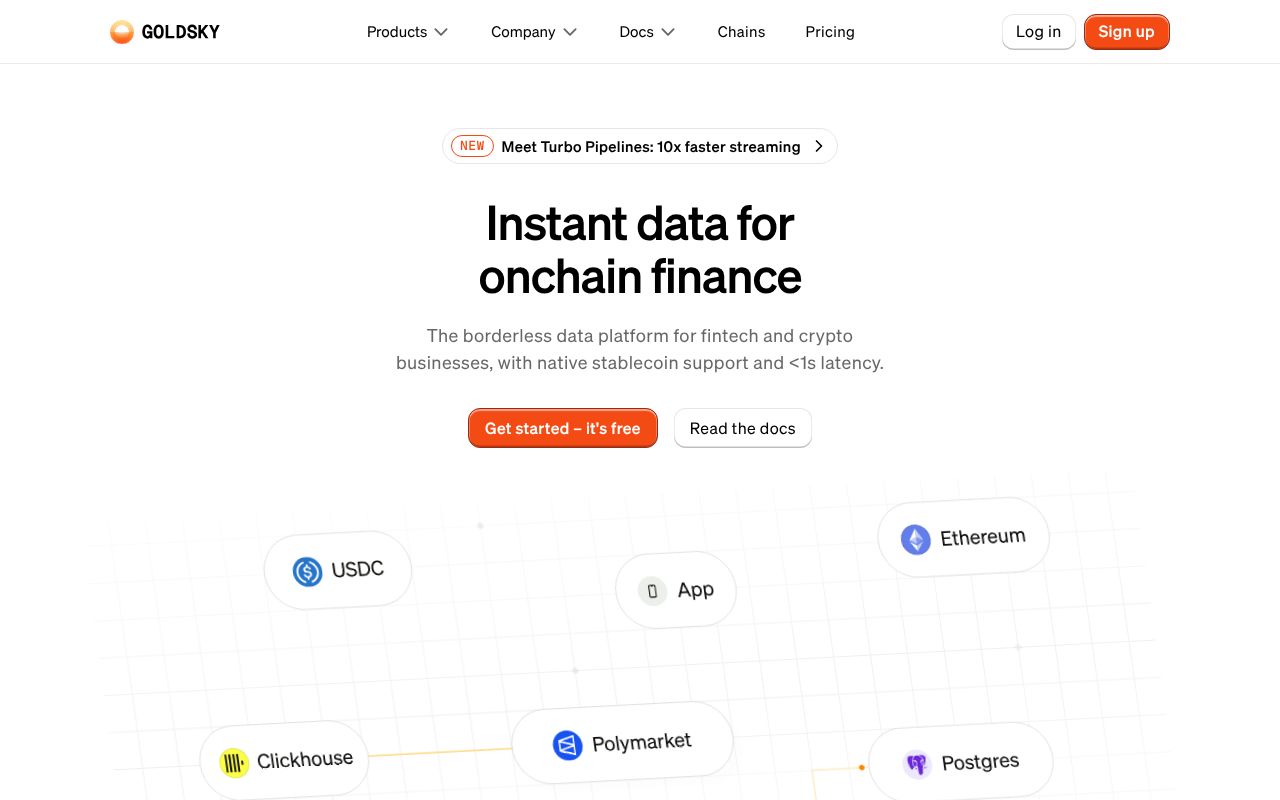
Goldsky tops our list as the most developer-friendly way to build and run subgraphs with strong performance. Furthermore, this indexing platform operates with managed infrastructure that removes the pain of running your own indexers. Notably, Goldsky excels in quick deployments, reliable syncing, and clean tooling that helps teams ship faster.
What sets Goldsky apart is its focus on production-grade subgraph hosting and pipelines. Specifically, it supports modern workflows that reduce indexing failures and long re-sync times. Additionally, it helps teams handle chain reorgs and high-volume event streams more smoothly. Moreover, the overall experience feels built for serious apps that need uptime. Consequently, with faster iteration and stable query performance, Goldsky delivers a strong alternative for teams that want results now.
2. Covalent – Unified Token and Wallet Data APIs

Covalent tops our list as the best option for teams who want ready-to-use wallet and token data across many chains. Furthermore, this data platform operates through simple APIs that return normalized results, which saves huge time for frontend and analytics builders. Notably, Covalent excels in balance history, token transfers, NFT holdings, and portfolio-style views.
What sets Covalent apart is its “one API for many chains” approach. Specifically, developers can avoid writing chain-specific parsers and still get consistent output. Additionally, it is strong for dashboards, portfolio trackers, and tax or reporting tools. Moreover, it reduces the risk of missing edge cases when chains format events differently. Consequently, with easier integration and broad chain coverage, Covalent delivers quick wins for product teams.
3. SubQuery – Flexible Multi-Chain Indexing for Builders

SubQuery tops our list as the most flexible alternative for projects that want customizable indexing across ecosystems. Furthermore, this indexing platform operates with a developer-first approach that supports multiple chains and lets teams define exactly what data to process. Notably, SubQuery excels in custom mappings, tailored schemas, and fast iteration for unique app needs.
What sets SubQuery apart is its balance between power and usability. Specifically, it supports building custom indexes without forcing a one-size-fits-all dataset. Additionally, it works well when you need specialized entities for app logic, not just generic transfers. Moreover, teams can scale from prototypes to production with the same indexing model. Consequently, with strong customization and multi-chain support, SubQuery delivers a practical path for serious Web3 apps.
4. Bitquery – Deep Onchain Analytics and Query Power
Bitquery tops our list as the best choice for advanced analytics and highly detailed blockchain queries. Furthermore, this analytics platform operates with powerful query tools that help teams explore trades, liquidity, transactions, and smart contract activity at scale. Notably, Bitquery excels in custom analytics, monitoring, and research workflows where raw detail matters.
What sets Bitquery apart is its ability to slice data in very specific ways. Specifically, you can build dashboards for DEX activity, whale tracking, protocol usage, and security alerts. Additionally, it is useful for growth teams who want cohort-style insights from onchain behavior. Moreover, it supports heavy query needs that basic APIs cannot handle. Consequently, with deep visibility and flexible analytics, Bitquery delivers strong value for data-driven teams.
5. Dune – Community SQL Dashboards for Crypto Data
Dune tops our list as the easiest way to turn onchain data into public dashboards and shareable insights. Furthermore, this analytics platform operates using SQL-style queries and curated tables that make analysis approachable. Notably, Dune excels in community-driven research, protocol reporting, and fast chart creation.
What sets Dune apart is how quickly you can go from question to chart. Specifically, analysts can reuse existing datasets and dashboards to speed up decision-making. Additionally, projects can publish transparent metrics for users and investors. Moreover, it is ideal when you need insights more than you need a backend query layer for an app. Consequently, with strong community content and simple publishing, Dune delivers a practical alternative for analytics-first needs.
6. Flipside – Trustworthy Datasets for Growth and Research
Flipside tops our list as a strong solution for teams who want structured datasets and reliable analytics workflows. Furthermore, this data platform operates with curated tables and methods that help standardize metrics across protocols. Notably, Flipside excels in user growth analysis, retention studies, and campaign measurement.
What sets Flipside apart is its focus on turning blockchain noise into usable, consistent datasets. Specifically, it helps reduce confusion around “active users” and similar metrics by applying clearer definitions. Additionally, it supports reporting that marketing and product teams can actually use. Moreover, it’s great when you want repeatable analytics, not one-off experiments. Consequently, with cleaner data and clearer metrics, Flipside delivers a dependable analytics alternative.
7. Alchemy – Reliable Web3 APIs and Enhanced Data Tools
Alchemy tops our list as the best all-around API platform for apps that need strong node access plus extra data features. Furthermore, this infrastructure platform operates with high-uptime APIs for reading and writing to chains, which is essential for production apps. Notably, Alchemy excels in performance, developer tooling, and features that simplify common tasks like logs, transfers, and monitoring.
What sets Alchemy apart is the full toolkit around the core RPC layer. Specifically, teams can troubleshoot faster using dashboards and request insights. Additionally, it helps apps scale without managing their own nodes. Moreover, it pairs well with indexing layers when you need both real-time reads and structured historical data. Consequently, with stable infrastructure and helpful tools, Alchemy delivers a strong choice for builders who want fewer moving parts.
The The Graph Advantage
These platforms share key benefits like faster querying, cleaner datasets, and simpler developer workflows. Furthermore, they help teams build apps that feel instant, even when blockchains are slow and noisy. Notably, this category is becoming the future because data access is what makes Web3 usable at scale. Consequently, as blockchain adoption grows, indexing and analytics layers will evolve into more decentralized, more reliable foundations for the next wave of dApps.
Comparison Table
| Platform | Best For | Typical Cost Level |
|---|---|---|
| Goldsky | Managed subgraphs, fast deployments | Medium |
| Covalent | Wallet, token, and portfolio APIs | Low to Medium |
| SubQuery | Custom multi-chain indexing | Low to Medium |
| Bitquery | Deep analytics and flexible queries | Medium to High |
| Dune | SQL dashboards and public analytics | Low to Medium |
| Flipside | Curated datasets and growth research | Low to Medium |
| Alchemy | Reliable Web3 APIs plus tooling | Medium |
Note: “Best For” reflects the most common use case, while “Typical Cost Level” is a simple estimate based on usual pricing tiers and scaling needs (your final cost depends on request volume, chains, and data depth).
Veramo Tools 2026
Crypto Rollups 2026