Top 7 Best UMA Protocol Tools of 2026
UMA Protocol Tools That Actually Make DeFi Simpler in 2026
UMA Protocol is one of the most practical building blocks in DeFi because it helps developers create on-chain financial products without relying on constant price feeds. Instead, it focuses on optimistic verification, where data is assumed correct unless someone disputes it. This makes it appealing for teams that want to move fast while keeping systems truly decentralized, since the community can challenge bad data and enforce correct outcomes.
What also makes this space stand out is how it enables new kinds of products. Specifically, you can build markets that resolve based on real-world events, create “did a DAO deliver?” contracts, and settle synthetic positions using dispute-based resolution. Moreover, many UMA-connected apps are built on major chains and L2s, which helps keep fees reasonable and makes participation easier for beginners.
Therefore, here are the 7 best UMA Protocol tools currently leading the industry.
7 Best UMA Protocol Tools to Use Right Now
1. UMA Protocol – The Core Optimistic Oracle Standard
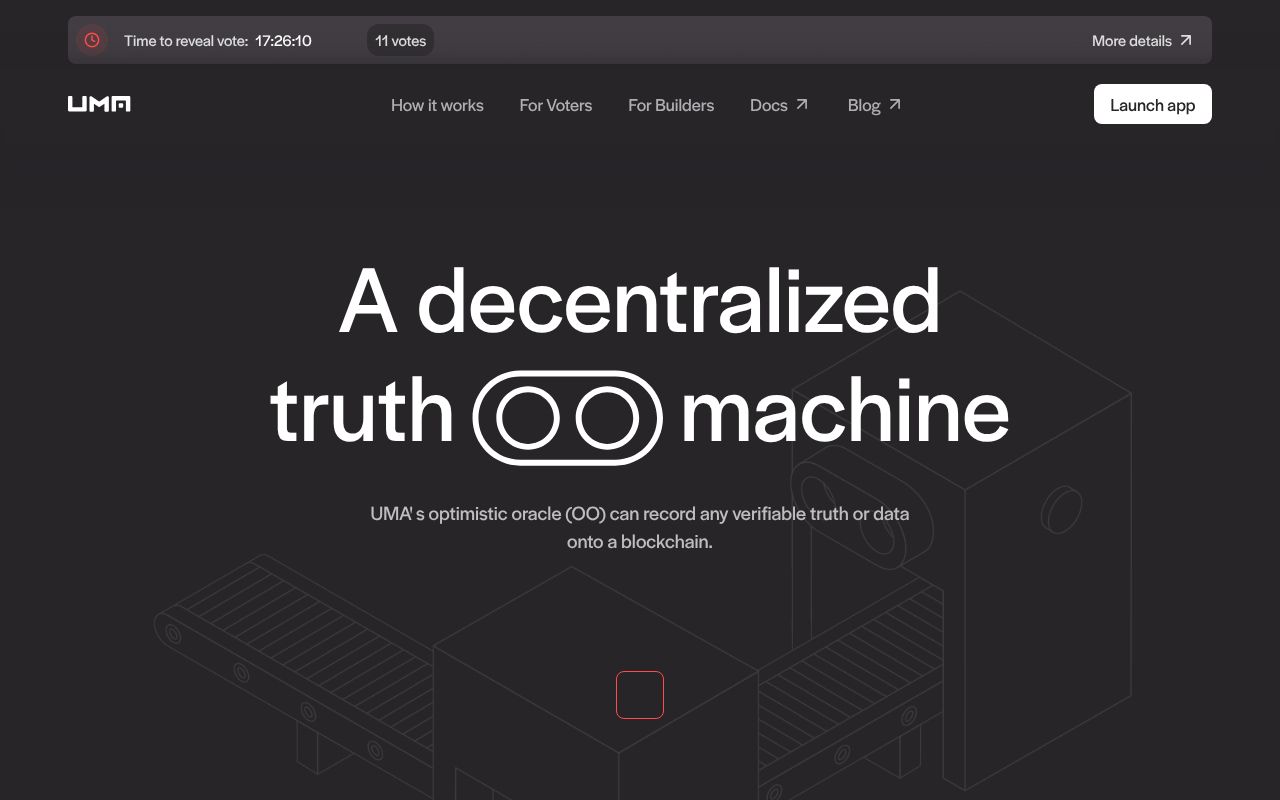
UMA Protocol tops our list as the most foundational UMA solution for building and securing data-dependent DeFi apps. Furthermore, this truly decentralized platform operates through the Optimistic Oracle model where claims can be disputed within a set window. Notably, UMA Protocol excels in enabling flexible, customizable requests without requiring constant price updates.
What sets UMA Protocol apart is its dispute-driven verification and incentive alignment. Specifically, the system encourages honest reporting by making disputes economically meaningful. Additionally, it supports many custom data types beyond simple token prices. Moreover, it can be integrated into apps that need event outcomes, KPI verification, or settlement logic. Consequently, with scalable design choices and community-enforced correctness, UMA Protocol delivers reliable oracle functionality for advanced DeFi.
2. Polymarket – UMA-Powered Prediction Markets
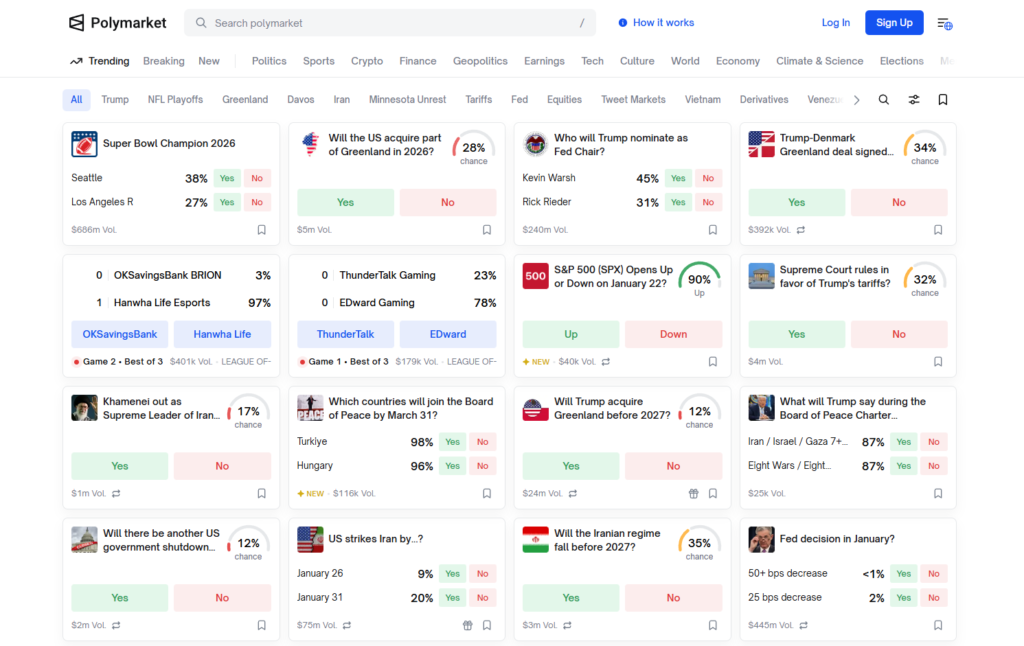
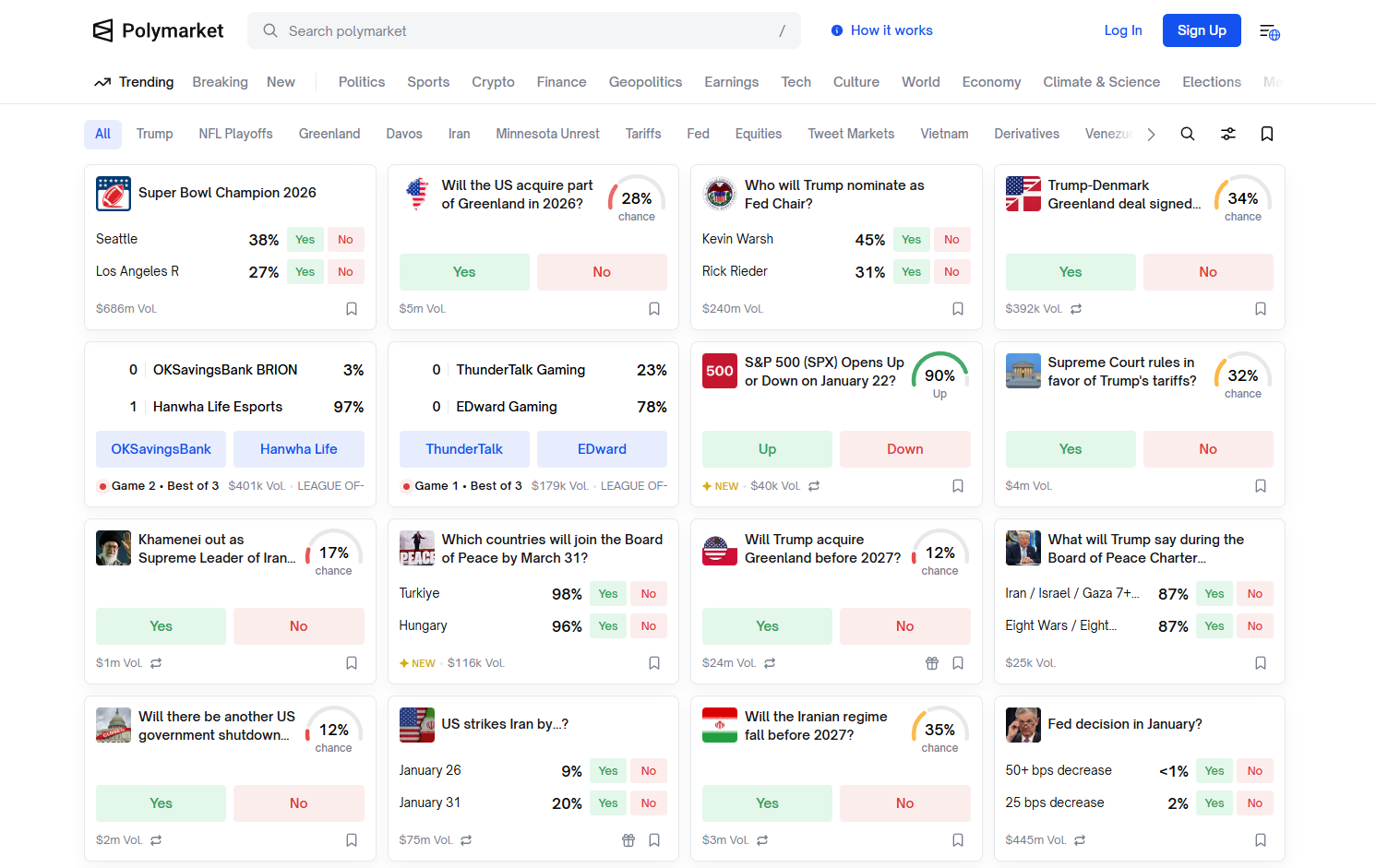
Polymarket tops our list as the most user-friendly way to experience UMA-style settlement through real prediction markets. Furthermore, this truly decentralized platform operates with outcome resolution that can be verified through dispute mechanisms and oracle processes. Notably, Polymarket excels in turning complex event speculation into simple “yes or no” markets that beginners can understand.
What sets Polymarket apart is its clean interface and strong market variety. Specifically, users can participate in markets tied to news, crypto, economics, and public events. Additionally, trading is designed to feel like placing a position rather than managing complicated derivatives. Moreover, the market format makes it easy to see probabilities update in real time. Consequently, with fast participation and clear settlement expectations, Polymarket delivers a practical UMA-linked use case.
3. Across Protocol – Fast Bridging Secured by Optimistic Verification
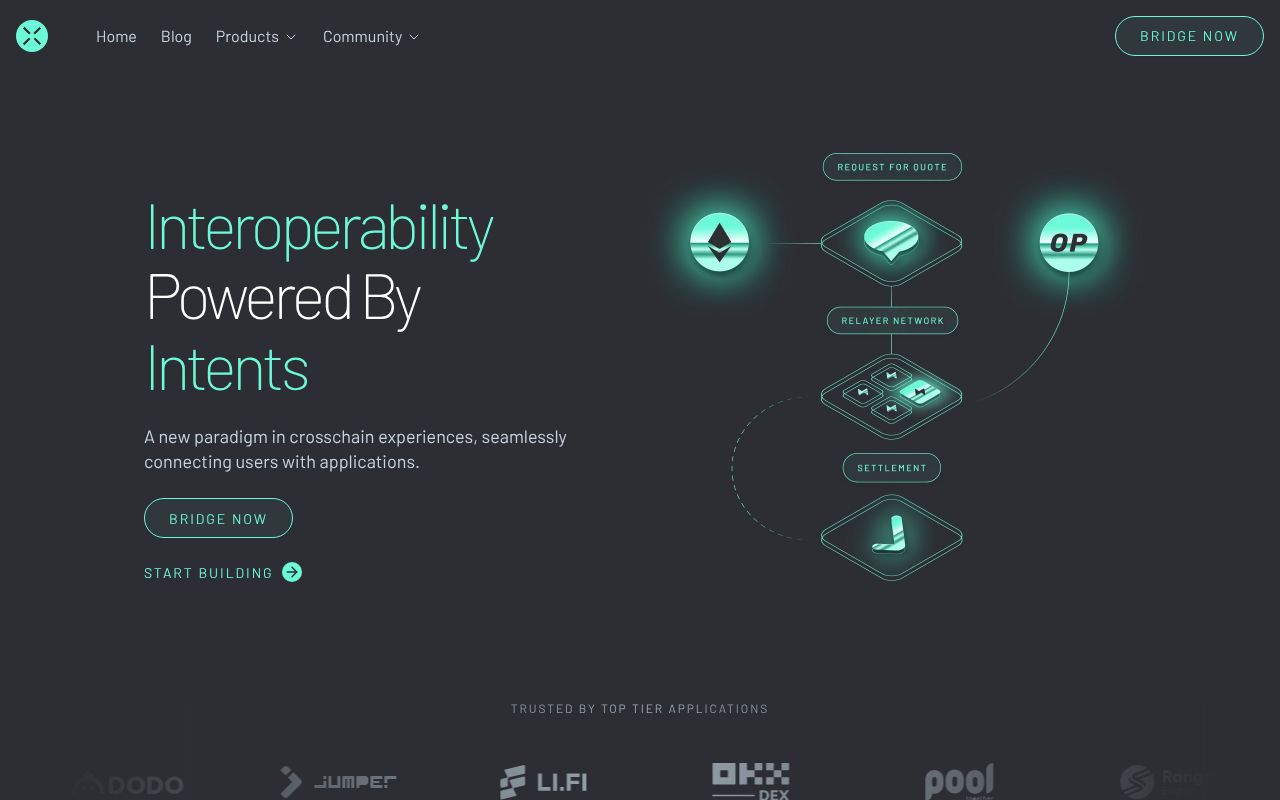
Across Protocol tops our list as the most efficient bridge model inspired by UMA’s optimistic design approach. Furthermore, this truly decentralized platform operates by using relayers and an optimistic verification layer to keep transfers quick while still enforceable. Notably, Across excels in lowering friction for users moving funds between chains and L2s.
What sets Across Protocol apart is its focus on speed without blindly trusting a single party. Specifically, transfers can finalize quickly under normal conditions. Additionally, the system can challenge incorrect behavior through verification steps. Moreover, its design aims to keep fees competitive for common routes. Consequently, with a balance of user experience and security logic, Across Protocol delivers one of the cleanest ways to move assets across ecosystems.
4. Optimistic Oracle – The Plug-and-Play UMA Data Request Layer
Optimistic Oracle tops our list as the most direct tool for builders who want UMA-style verification without overcomplicating their stack. Furthermore, this truly decentralized platform operates by allowing anyone to post a claim, then letting a dispute window protect the system from bad data. Notably, the Optimistic Oracle excels in custom questions like “Did X happen?” rather than only “What is the price of Y?”
What sets Optimistic Oracle apart is how adaptable it is for niche dApps. Specifically, you can request outcomes for events, KPIs, and off-chain facts that need on-chain settlement. Additionally, it supports bonds and incentives that make malicious reporting expensive. Moreover, it gives protocols the ability to define timeframes and resolution rules. Consequently, with flexible logic and dispute-based security, Optimistic Oracle delivers strong oracle coverage for creative DeFi products.
5. UMA KPI Options – Token Incentives That Pay for Real Results
UMA KPI Options tops our list as the most useful mechanism for DAOs and teams that want performance-based rewards. Furthermore, this truly decentralized platform operates by tying token payout to measurable outcomes that can be verified at settlement. Notably, UMA KPI Options excels in aligning incentives between contributors and communities without constant manual oversight.
What sets UMA KPI Options apart is its clarity and accountability. Specifically, you can define a KPI like TVL growth, user milestones, or delivery targets. Additionally, the payout structure can be configured to reward partial or full success. Moreover, it reduces governance drama because the contract rules are transparent from the start. Consequently, with automated settlement and objective reward design, UMA KPI Options delivers a strong way to pay for impact instead of promises.
6. UMA Synthetic Assets – Build Custom Derivatives Without Heavy Oracles
UMA Synthetic Assets tops our list as the best concept set for creating synthetic exposure using UMA’s broader design philosophy. Furthermore, this truly decentralized platform operates by letting developers build contracts that can settle based on verified reference values. Notably, UMA-based synthetics excel when you need flexible collateral and settlement rules without constant external feeds.
What sets UMA Synthetic Assets apart is how customizable the product design can be. Specifically, builders can define payoff structures and conditions for settlement. Additionally, they can set collateral rules that fit their risk model. Moreover, dispute-based resolution helps reduce reliance on a single always-on oracle channel. Consequently, with adaptable construction and enforceable settlement logic, UMA Synthetic Assets delivers a strong template for advanced DeFi engineering.
7. UMA Governance – Community-Backed Security and Dispute Resolution
UMA Governance tops our list as the most important “behind the scenes” tool that keeps UMA systems credible. Furthermore, this truly decentralized platform operates through token-based participation where stakeholders help secure outcomes and dispute resolutions. Notably, UMA Governance excels in providing a credible backstop when claims are challenged and decisions matter.
What sets UMA Governance apart is its role as the enforcement layer. Specifically, disputes can escalate to structured resolution processes. Additionally, incentives help align honest participation with long-term protocol health. Moreover, governance decisions can influence parameters that affect how oracle requests and disputes behave. Consequently, with community-driven checks and enforceable rules, UMA Governance delivers the trust anchor needed for optimistic systems to work.
The UMA Protocol Tools Advantage
These UMA Protocol tools share a focus on enforceable outcomes, dispute-based security, and designs that stay truly decentralized even under stress. Additionally, they push DeFi beyond basic trading into real settlement, accountability, and event-based markets. Moreover, this category represents the future because it helps blockchains interact with real-world facts in a scalable way. Consequently, as blockchain adoption grows, optimistic verification models will keep shaping how on-chain systems evolve.
Comparison Table
| Platform | Best For | Typical Cost Drivers |
|---|---|---|
| UMA Protocol | Core oracle + settlement primitives | Gas fees, bonds, dispute costs if challenged |
| Polymarket | Prediction markets with clear outcomes | Trading fees/spreads, network fees |
| Across Protocol | Fast bridging between chains/L2s | Bridge fees, liquidity costs, network fees |
| Optimistic Oracle | Custom data requests and event verification | Gas fees, proposer/disputer bonds |
| UMA KPI Options | Performance-based rewards for teams/DAOs | Setup gas costs, verification costs at settlement |
| UMA Synthetic Assets | Custom derivatives and synthetic exposure | Collateral requirements, gas fees, settlement costs |
| UMA Governance | Dispute backstop and protocol parameter safety | Voting participation costs, potential dispute overhead |
Note: “Typical Cost Drivers” depends on chain fees, usage volume, and whether disputes occur. Additionally, some apps bundle costs into spreads or protocol fees rather than showing them directly.
Crypto Rollups 2026
Best Cross-Chain Bridges 2026