Top 7 Best Web3 Data Streaming Platforms of 2026
Real-Time Web3 Data
Web3 moves fast, and that speed creates a real problem: most apps, bots, dashboards, and analytics tools are only as good as the blockchain data they can access. If your data is slow, incomplete, or hard to index, you miss trades, give users a bad experience, and ship products that feel outdated. That is why Web3 data streaming platforms are so important right now.
Specifically, modern teams want predictable infrastructure, clear pricing, strong documentation, and tooling that reduces DevOps headaches. Moreover, they want access to historical data and live data in one place so they can backtest and then deploy without changing providers.
Therefore, here are the 7 best Web3 data streaming platforms currently leading the industry.
Top Platforms to Use Right Now
1. StreamingFast – Ultra-Fast Firehose Data for Serious Builders
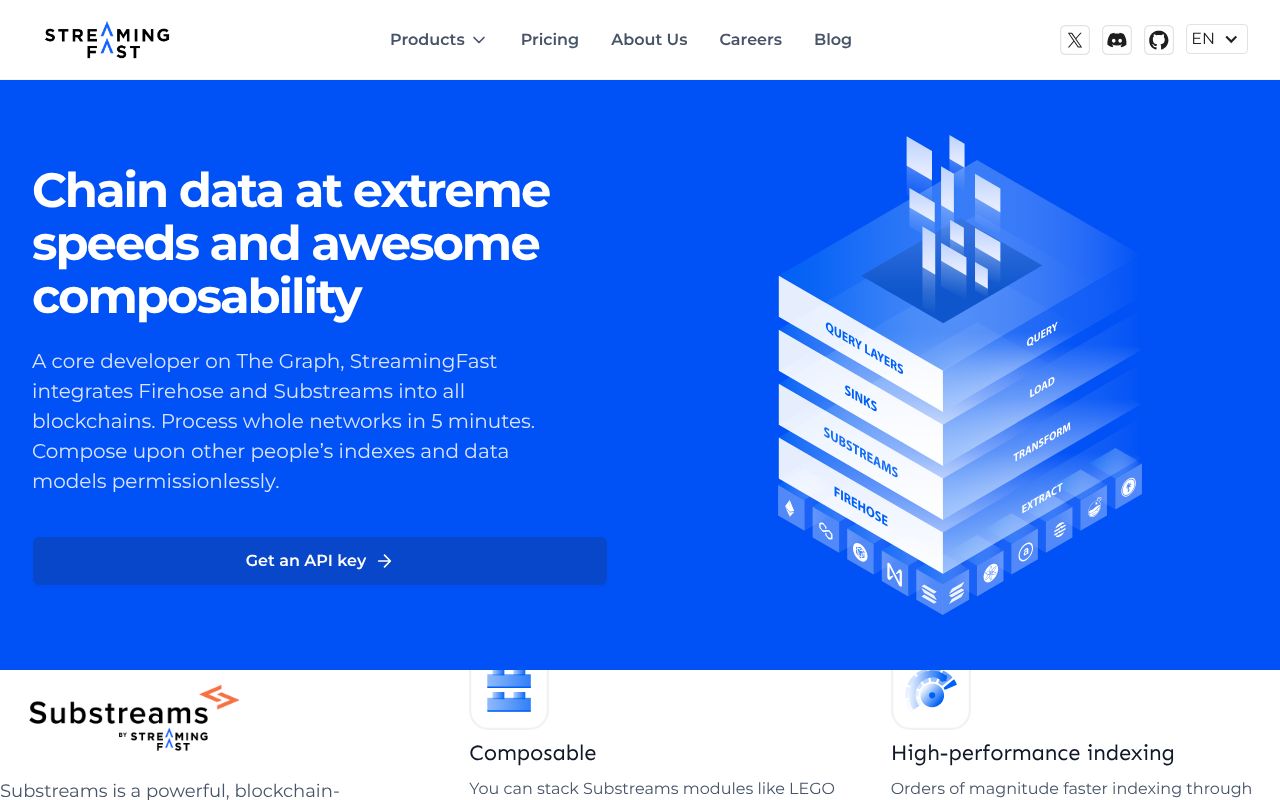
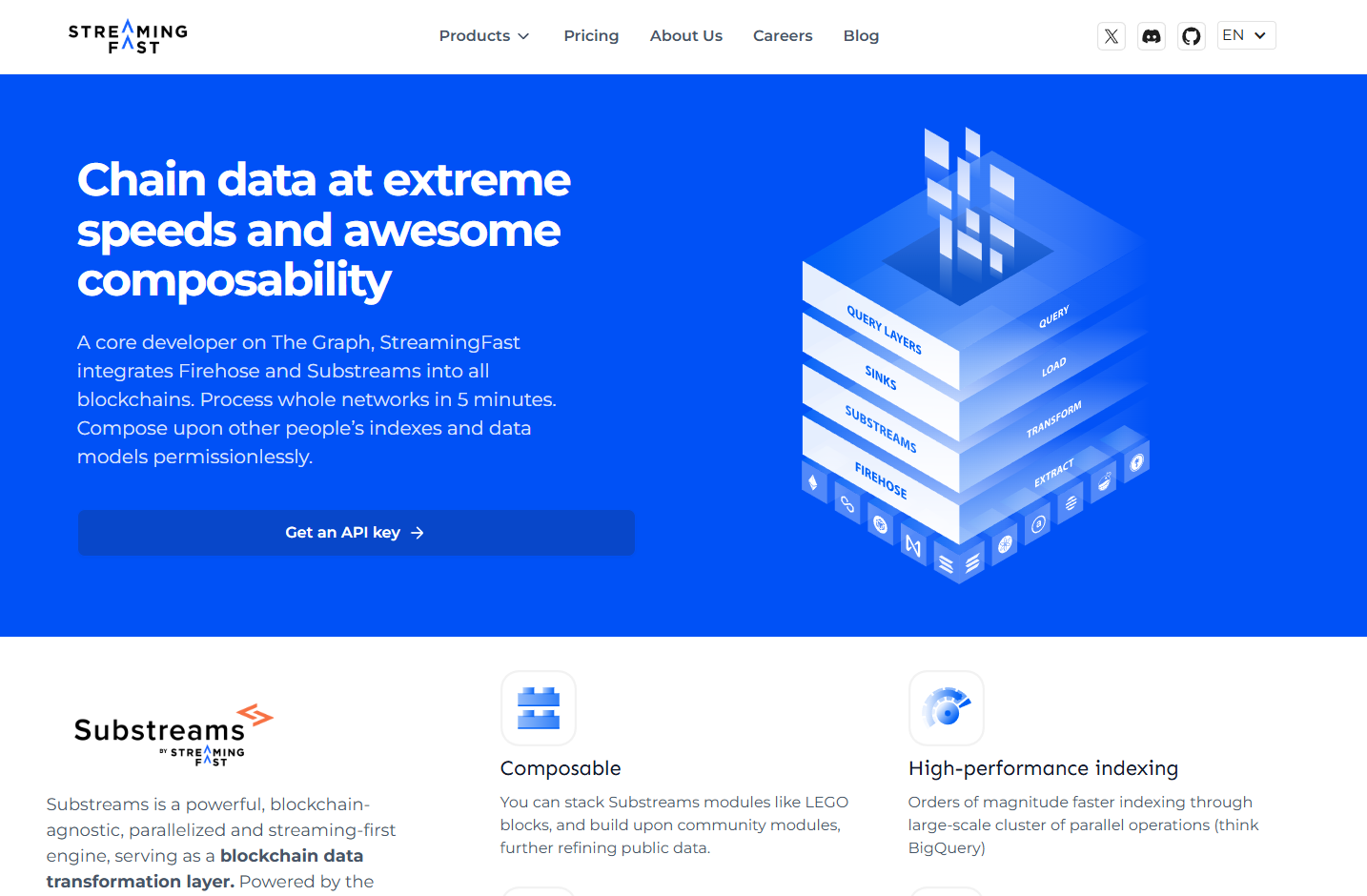
StreamingFast tops our list as the most developer-focused option for high-performance blockchain data streaming. Furthermore, this infrastructure platform operates with a Firehose-style approach that delivers real-time block data at high speed for teams that need accuracy under pressure. Notably, StreamingFast excels in powering indexers, explorers, and analytics systems that cannot afford gaps or delays.
What sets StreamingFast apart is its ability to turn raw chain data into reliable, consumable streams for downstream apps. Specifically, it supports efficient data extraction workflows that help you avoid rebuilding fragile pipelines. Additionally, it is designed for scaling, so performance does not collapse when usage grows. Moreover, it fits well into modern backend stacks where teams want clear APIs, tooling, and automation. Consequently, with faster ingestion and stronger reliability, StreamingFast delivers a clean path from on-chain events to real product features.
2. The Graph – Subgraphs That Make On-Chain Data Easy
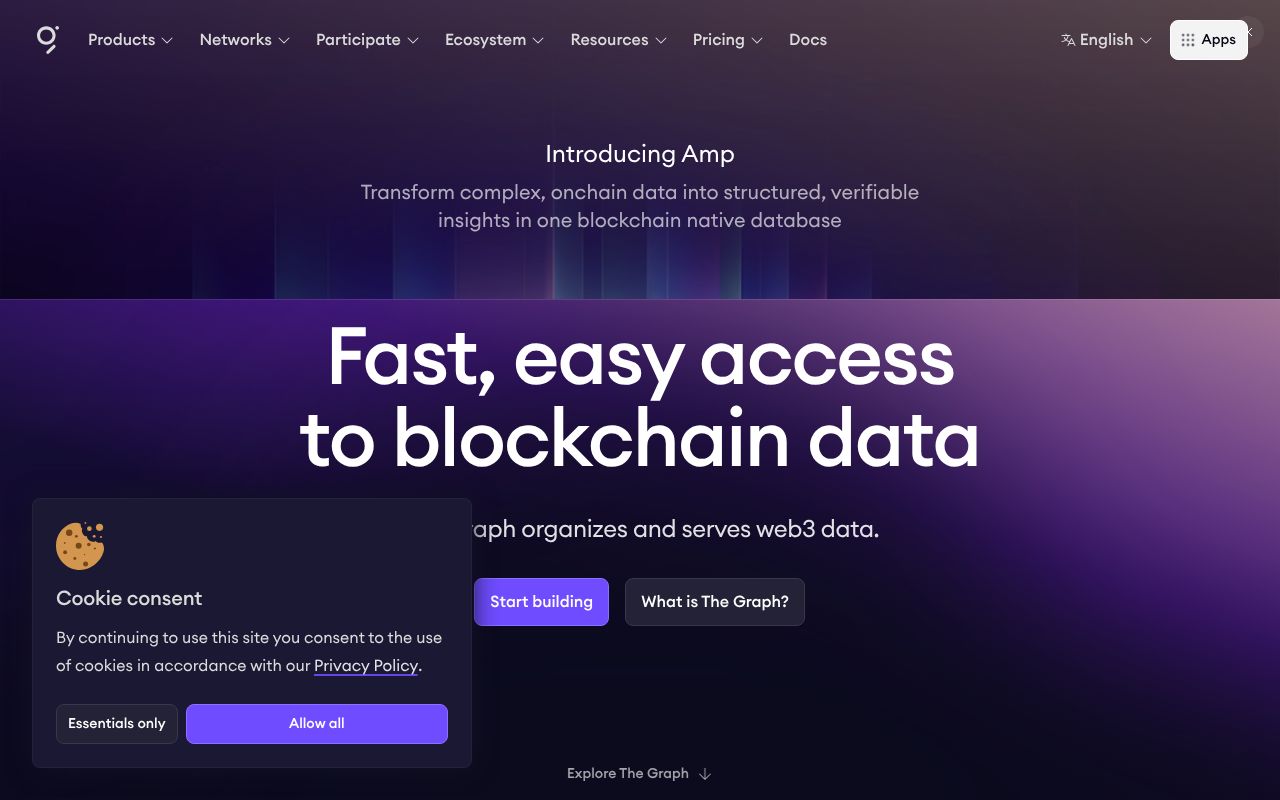
The Graph tops our list as the most popular option for query-friendly indexing using subgraphs. Furthermore, this developer platform operates with GraphQL-based access that helps apps fetch the exact data they need without heavy backend work. Notably, The Graph excels in making dApp data readable, organized, and consistent across many common Web3 use cases.
What sets The Graph apart is its subgraph model that turns messy on-chain events into structured schemas. Specifically, you can define what to index and how to map it into entities that your app can query. Additionally, it is widely adopted, so many ecosystems already have ready-to-use subgraphs. Moreover, it helps teams ship faster by avoiding custom indexing from scratch. Consequently, with flexible querying and strong community support, The Graph delivers a smooth builder experience.
3. Covalent – One API for Wallet, Token, and Chain Data
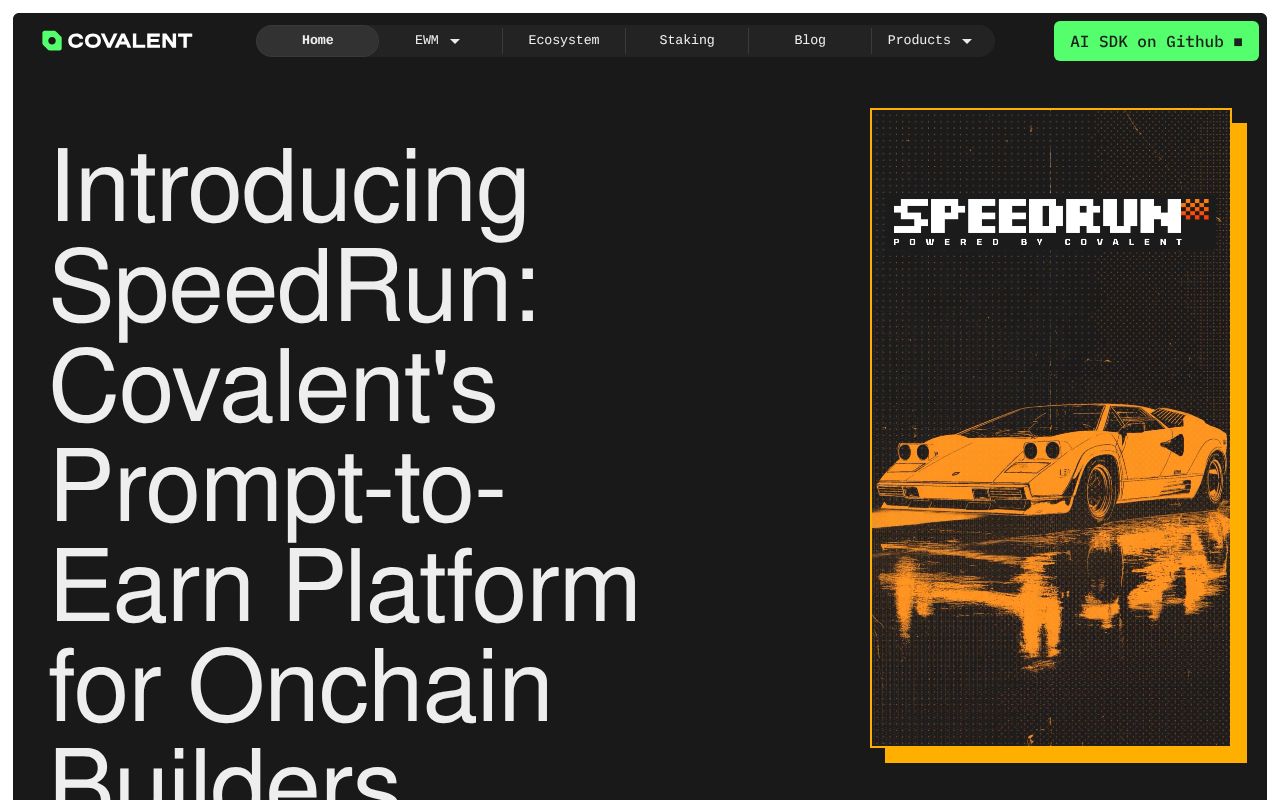
Covalent tops our list as the simplest “single API” approach for pulling useful on-chain data across chains. Furthermore, this data platform operates with unified endpoints that reduce the need to learn different chain-specific quirks. Notably, Covalent excels in common product features like wallet balances, token transfers, portfolio views, and transaction history.
What sets Covalent apart is its focus on structured, ready-to-use responses instead of raw event logs. Specifically, it can save teams hours by returning grouped and categorized results. Additionally, it is a strong fit for dashboards and consumer apps that need fast time-to-market. Moreover, it supports cross-chain use cases, which helps when users move between networks. Consequently, with a clean API design and practical responses, Covalent delivers fast integration for real-world apps.
4. Bitquery – Advanced Blockchain Analytics and Filtering
Bitquery tops our list as the best fit for teams that want deep analytics and flexible query options. Furthermore, this analytics platform operates with powerful query tooling that helps you slice and filter blockchain activity with precision. Notably, Bitquery excels in tracking token flows, DEX activity, whale monitoring, and custom alert-style analytics.
What sets Bitquery apart is its ability to support complex questions without forcing you to build huge pipelines first. Specifically, you can query detailed activity across entities and time ranges. Additionally, it works well for research, trading analytics, and monitoring systems. Moreover, it helps teams build data products that require carefully filtered signals, not generic summaries. Consequently, with strong querying and flexible analytics depth, Bitquery delivers actionable insight at speed.
5. Alchemy – Developer-Grade APIs and Reliable Infrastructure
Alchemy tops our list as the most well-rounded choice for teams that want stable Web3 infrastructure plus strong developer tooling. Furthermore, this platform operates with robust node APIs and enhanced endpoints that make common tasks easier. Notably, Alchemy excels in reliability, dashboards, and tools that help developers debug and scale production apps.
What sets Alchemy apart is its product ecosystem built around developer success. Specifically, it offers enhanced APIs for NFTs, tokens, and app activity that reduce backend glue work. Additionally, it provides monitoring and performance tooling that helps you catch issues early. Moreover, it integrates well into apps that need consistent uptime and predictable response times. Consequently, with trusted infrastructure and great tooling, Alchemy delivers a dependable foundation for data-driven dApps.
6. QuickNode – Fast Nodes With Add-Ons for Data Products
QuickNode tops our list as a strong option for speed-focused teams that also want extra features beyond basic RPC. Furthermore, this infrastructure platform operates with high-performance endpoints and optional add-ons that can simplify development. Notably, QuickNode excels in fast node access and production-ready reliability for apps that need low latency.
What sets QuickNode apart is its balance of performance and modular tooling. Specifically, developers can choose features that match their use case instead of paying for tools they do not need. Additionally, it is a good match for teams building trading tools, wallets, and real-time dashboards. Moreover, its infrastructure approach helps reduce downtime risks during traffic spikes. Consequently, with fast responses and flexible upgrades, QuickNode delivers smooth scaling for Web3 products.
7. Subsquid – Custom Indexing With Flexible Pipelines
Subsquid tops our list as the best fit for builders who want more control over their indexing logic. Furthermore, this indexing platform operates with customizable pipelines that help you extract, transform, and load on-chain data in ways that match your app. Notably, Subsquid excels in projects that need special data models, unique event parsing, or chain-specific quirks handled cleanly.
What sets Subsquid apart is how it supports tailored indexing without forcing a one-size-fits-all approach. Specifically, you can design your indexer logic around the events that matter most. Additionally, it can be a strong option when you need both historical backfills and real-time updates. Moreover, it helps teams build differentiated data products instead of copying generic dashboards. Consequently, with customization and strong indexing control, Subsquid delivers flexibility that advanced teams appreciate.
Web3 Data Streaming
The best Web3 data streaming platforms make blockchain data faster, easier to query, and more reliable across multiple networks. Additionally, they reduce DevOps work while helping apps stay truly decentralized without sacrificing user experience. Notably, this category is the future because every serious dApp needs real-time data to compete. Consequently, as blockchain adoption grows, data infrastructure will keep evolving into a core layer of the Web3 stack.
Comparison Table
| Platform | Best For | Main Strength |
|---|---|---|
| StreamingFast | High-speed streaming and ingestion | Firehose-style real-time block data |
| The Graph | dApps needing structured queries | GraphQL subgraphs and indexing |
| Covalent | Wallet, portfolio, and history views | Unified multi-chain API responses |
| Bitquery | Analytics, monitoring, and research | Deep filtering and query power |
| Alchemy | Production dApps and developer tooling | Reliable APIs plus monitoring tools |
| QuickNode | Fast nodes with flexible extensions | Low latency and modular add-ons |
| Subsquid | Custom indexing and ETL control | Flexible pipelines for specific needs |
Note: “Best For” reflects the most common use case, while “Main Strength” summarizes what each platform is typically chosen for, such as speed, query flexibility, or developer tooling.
Veramo Tools 2026
Crypto Rollups 2026