Top 7 Best Sybil Resistance and Onchain Identity Tools of 2026
Onchain Identity That Blocks Bots in 2026
The sybil resistance and onchain identity space is very exciting and has players that help crypto apps separate real users from fake accounts. This category matters because many airdrops, DAOs, and onchain communities lose money when bots farm rewards and spam governance. Additionally, projects that cannot verify humanity often struggle with fair distribution, clean analytics, and trustworthy reputation systems.
A strong identity layer can protect incentives without turning crypto into a fully KYC world. Notably, the best tools use privacy-friendly proofs, social signals, and onchain behavior to detect sybils while keeping users in control. Some options aim to be truly decentralized, while others focus on easy integrations and fast scoring for growth teams. Moreover, these tools can improve everything from referral programs to anti-fraud, token gating, and community moderation.
Teams also care about developer velocity. Specifically, they want simple APIs, dashboards, and clear risk signals they can plug into smart contracts or backends. Users care about fairness and privacy, so solutions that provide reusable credentials and portable reputation are becoming the default choice. Consequently, sybil resistance is no longer “nice to have” if a product uses incentives.
Therefore, here are the 7 best sybil resistance and onchain identity tools currently leading the industry.
Best Picks for Sybil Resistance and Identity
1. Trusta – Identity Proofs Built for Web3 Growth

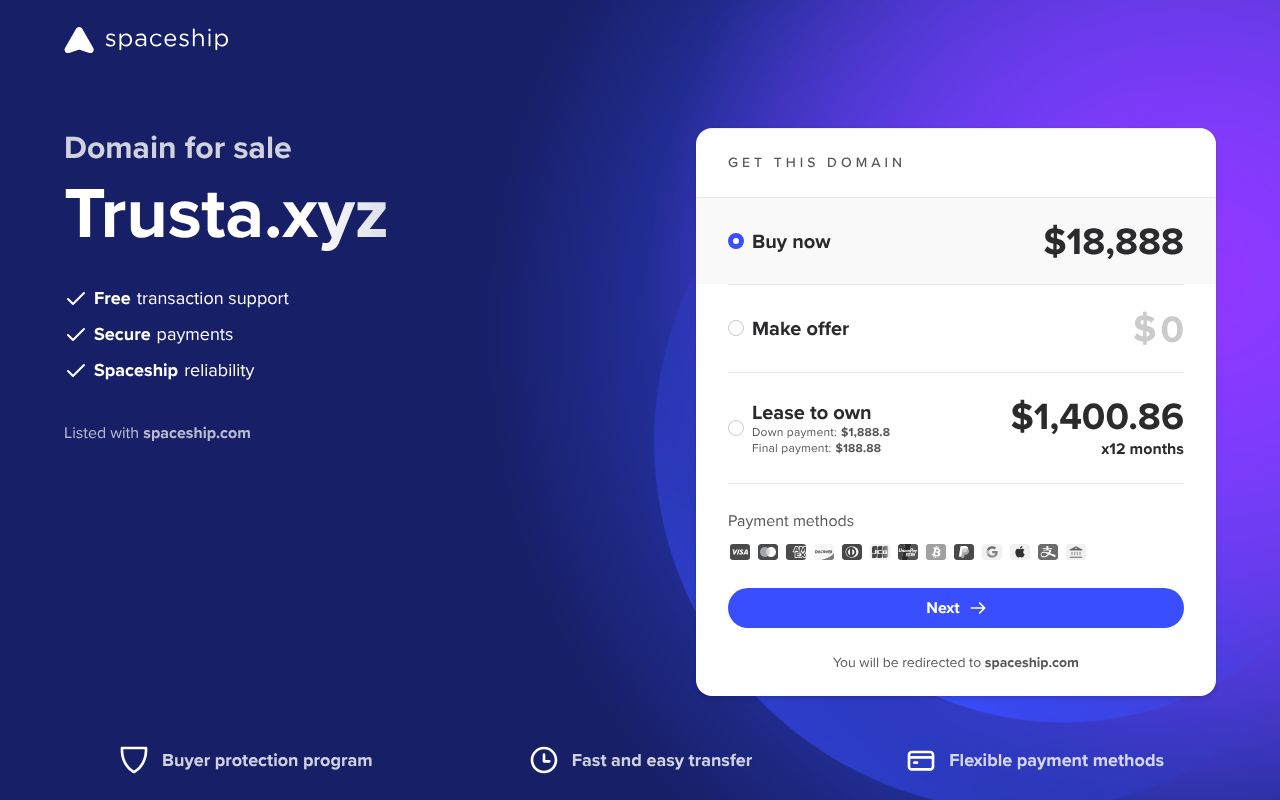
Trusta tops our list as the most practical option for sybil resistance with product-ready onchain identity signals. Furthermore, this identity-focused platform operates by combining behavioral analysis, reputation-style scoring, and verification flows that fit common crypto campaigns. Notably, Trusta excels in helping teams run fair airdrops, protect referral programs, and reduce bot-driven abuse without forcing heavy KYC.
What sets Trusta apart is its flexible approach to verifying “real users” across multiple ecosystems. Specifically, it can evaluate wallet patterns and interactions to flag suspicious clusters. Additionally, teams can use its outputs to improve distribution logic and community gating. Moreover, the platform is designed to be easy for both users and projects, so adoption stays high. Consequently, with clearer trust signals and fewer sybils, Trusta delivers more efficient incentives and cleaner user acquisition.
2. Worldcoin – Proof of Personhood at Global Scale

Worldcoin tops our list as the most recognizable proof-of-personhood system for large communities. Furthermore, this identity platform operates by issuing a unique proof that a user is a real person, which can be used for access control and bot reduction. Notably, Worldcoin excels in scenarios where one-person-one-account is the main goal, like public token claims or massive community programs.
What sets Worldcoin apart is its focus on unique human identity rather than wallet behavior alone. Specifically, it aims to reduce multi-accounting by anchoring identity to a person-level proof. Additionally, integrations can help applications gate actions like voting or claim eligibility. Moreover, this approach can improve fairness when incentives are large and bot pressure is extreme. Consequently, with stronger personhood guarantees, Worldcoin delivers cleaner participation for high-impact drops.
3. Gitcoin Passport – Reputation Stamps for Fair Distributions

Gitcoin Passport tops our list as a simple, community-friendly way to build trust with modular credentials. Furthermore, this identity platform operates by letting users collect “stamps” from different sources to strengthen their uniqueness score. Notably, Gitcoin Passport excels in airdrops and grants programs where teams need fast filtering without invasive checks.
What sets Gitcoin Passport apart is its composable identity model. Specifically, projects can choose which stamps matter and set thresholds that match their risk tolerance. Additionally, users can improve their score over time, which rewards genuine participation. Moreover, its familiar ecosystem adoption makes it a common default for anti-sybil gating. Consequently, with portable reputation signals, Gitcoin Passport delivers an easy onramp to stronger distribution accuracy.
4. Galxe – Credential Campaigns With Built-In Gating
Galxe tops our list as the best choice for teams that want growth campaigns with identity-based rules. Furthermore, this platform operates by letting projects issue and verify credentials tied to user actions and community participation. Notably, Galxe excels in quest-based onboarding, role-based access, and rewards that depend on real engagement.
What sets Galxe apart is how it mixes marketing workflows with verification logic. Specifically, teams can create campaigns that require certain credentials before users can claim. Additionally, this helps remove low-effort farming and improves conversion quality. Moreover, the platform’s tooling is designed for quick launches and repeatable community programs. Consequently, with better gating and engagement-driven rewards, Galxe delivers stronger retention and cleaner growth metrics.
5. Lens Protocol – Social Graph Signals for Identity
Lens Protocol tops our list as the best social-first option for reputation and sybil resistance signals. Furthermore, this platform operates by enabling onchain social profiles and relationships that can be used as trust inputs. Notably, Lens excels in detecting real community presence because social activity and connections are harder for bots to fake at scale.
What sets Lens Protocol apart is its social graph that projects can use for smarter gating. Specifically, teams can evaluate factors like profile history and interaction patterns. Additionally, social-based checks can complement wallet-only scoring to reduce false positives. Moreover, it supports portable identity across apps built on the same social layer. Consequently, with richer context around users, Lens delivers more human-centered verification outcomes.
6. zkSybil – Privacy-First Proofs With Zero-Knowledge
zkSybil tops our list as the most privacy-focused direction for sybil resistance. Furthermore, this platform operates by using zero-knowledge style techniques to prove a user meets conditions without revealing unnecessary personal data. Notably, zkSybil excels when teams want stronger privacy defaults while still blocking obvious farming behavior.
What sets zkSybil apart is its emphasis on minimal disclosure. Specifically, users can present proofs that show eligibility or uniqueness signals without exposing full history. Additionally, this helps apps stay compliant with privacy expectations while still reducing abuse. Moreover, privacy-first verification can increase user willingness to participate in gated programs. Consequently, with strong anonymity-friendly design, zkSybil delivers trust checks without turning identity into surveillance.
7. BrightID – Social Verification Without Traditional KYC
BrightID tops our list as a long-running alternative for proving uniqueness through human connections. Furthermore, this identity platform operates using social verification methods that aim to confirm users are distinct individuals. Notably, BrightID excels in communities that prefer grassroots validation instead of uploading documents.
What sets BrightID apart is its community-driven approach to identity. Specifically, it relies on relationship-based verification that can discourage mass bot creation. Additionally, users can reuse verification across supported apps, which improves convenience. Moreover, its non-KYC design appeals to users who want a more fully anonymous crypto experience while still resisting sybils. Consequently, with community-based proofs, BrightID delivers a more open path to fair participation.
The Sybil Resistance Advantage
The best tools in this category help projects reduce bot farming, protect rewards, and improve governance quality. Additionally, they make crypto incentives fairer while keeping identity more privacy-friendly than traditional systems. Consequently, sybil resistance is becoming a core layer for truly decentralized apps that depend on real human participation. Therefore, as blockchain adoption grows, onchain identity will keep evolving toward stronger proofs with better user control.
Comparison Table
| Platform | Best For | Core Signal Type |
|---|---|---|
| Trusta | Airdrop protection and growth anti-fraud | Onchain behavior + trust scoring |
| Worldcoin | One-person-one-account at scale | Proof of personhood |
| Gitcoin Passport | Fair drops, grants, and sybil filtering | Credential stamps + score |
| Galxe | Quest campaigns with gating | Credentials from actions |
| Lens Protocol | Social reputation-based gating | Social graph signals |
| zkSybil | Privacy-first eligibility proofs | Zero-knowledge proofs |
| BrightID | Community-driven uniqueness | Social verification |
Note: “Best For” describes the most common use case, while “Core Signal Type” shows the primary method each platform uses to reduce sybil activity.

Sybil Resistance and Onchain Identity 2026
OpenFi Platforms 2026