Top 7 Best Cross-Chain Bridges of 2026
Fast Cross-Chain Moves in 2026
Cross-chain bridges have become a must-have tool for anyone using crypto across more than one network. If you hold tokens on Ethereum but want to use an app on Arbitrum, Base, Solana, or BNB Chain, a bridge is often the simplest way to move value without selling and re-buying. Additionally, bridges help users chase better fees, faster confirmations, and more app choices without getting stuck on a single chain.
This category matters because the average crypto user no longer stays inside one ecosystem. Notably, a good bridge reduces the steps, the waiting time, and the risk of sending funds the wrong way. Specifically, the best platforms make the process feel like a normal transfer while still keeping you in control of your wallet. Many users also want a more truly decentralized flow, meaning you do not need to trust one company to custody your funds during the move.
At the same time, bridges are not all equal. Some focus on speed, others on route optimization, and others on stronger security models or better support for niche chains. Therefore, choosing the right bridge can save you money and prevent frustrating failed transfers. Moreover, features like auto-routing, clear fee breakdowns, and strong liquidity can make a big difference when markets get busy.
Here are the 7 best cross-chain bridges currently leading the industry.
Top Picks You Can Use Today
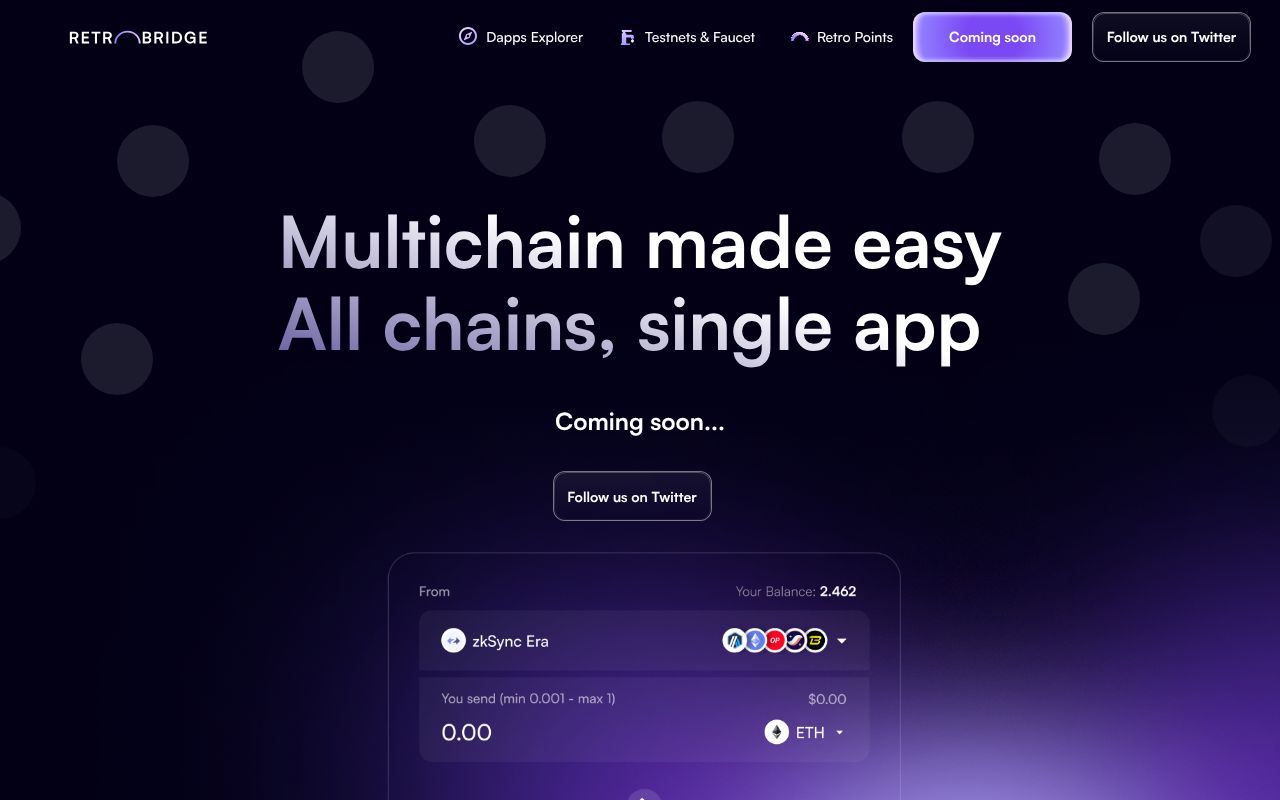
1. RetroBridge – Smooth Cross-Chain Transfers Made Simple

RetroBridge topping our list as a clean and beginner-friendly bridge for moving assets across popular chains. This streamlined platform operates with a focus on clear routing, predictable outcomes, and fewer confusing steps. Notably, RetroBridge excels in making cross-chain transfers feel simple, even if you are brand new to bridging.
What sets RetroBridge apart is its straightforward user flow and practical network coverage. Specifically, it aims to reduce failed transactions by guiding users through the right route and showing the transfer details clearly. Additionally, it highlights fees and expected timing so you can decide before you confirm. Moreover, the interface is built for speed, so you can bridge and get back to using apps quickly. Consequently, with an easy process and solid transfer clarity, RetroBridge delivers a reliable day-to-day bridging experience.
2. Stargate – Deep Liquidity for Direct Transfers

Stargate topping our list as a strong choice for users who value liquidity and direct asset movement. This widely used platform operates with broad chain support and established routes that many traders already trust. Notably, Stargate excels in handling common bridging needs without making you jump through extra hoops.
What sets Stargate apart is its reputation for liquidity depth on major routes. Specifically, it can help reduce slippage and transfer friction when usage spikes. Additionally, it often provides clear estimates so users understand what they will receive. Moreover, it supports a range of ecosystems, which is useful if you bridge frequently. Consequently, with strong routing and liquidity-first design, Stargate delivers stable cross-chain transfers for everyday users.
3. Across – Fast Transfers With Smart Routing

Across topping our list as a speed-focused bridge that is popular among users moving funds between Ethereum and L2 networks. This efficient platform operates by optimizing routes and aiming for quick finality where possible. Notably, Across excels in keeping the user experience simple while still powering advanced routing behind the scenes.
What sets Across apart is its focus on fast bridging with clear fee visibility. Specifically, it typically shows estimates in a way that is easy to understand before you confirm. Additionally, it can be a practical option for frequent L2 users trying to avoid high friction. Moreover, it is built around the idea that bridging should feel like a normal transfer, not a complex workflow. Consequently, with strong routing and speed-minded design, Across delivers an excellent option for users who want fast cross-chain movement.
4. Hop – L2-to-L2 Bridging That Just Works
Hop topping our list as a known solution for users who live on rollups and want clean L2 movement. This specialized platform operates with a focus on bridging between popular Layer-2 networks efficiently. Notably, Hop excels in helping users shift funds between L2 ecosystems without returning to mainnet every time.
What sets Hop apart is its L2-centric approach and familiar UX for DeFi users. Specifically, it targets routes that many active traders and app users rely on. Additionally, it can reduce the hassle of moving liquidity between L2 apps and opportunities. Moreover, it keeps the process clear so you can verify what chain you are sending from and to. Consequently, with a rollup-friendly focus, Hop delivers a solid bridging option for L2 power users.
5. Synapse – Broad Chain Support for Everyday Users
Synapse topping our list as a flexible bridge that supports a wide set of networks and common assets. This accessible platform operates with an emphasis on usability and route availability across multiple ecosystems. Notably, Synapse excels in giving users options when they need to bridge to less common chains.
What sets Synapse apart is its wide network coverage and consistent usability. Specifically, it often provides multiple paths when one route is congested. Additionally, it is useful for users who do not want to maintain several bridge apps for different chains. Moreover, it keeps transfer steps straightforward, which helps reduce user errors. Consequently, with broad support and clear flows, Synapse delivers a practical bridge for multi-chain users.
6. Portal – Cross-Ecosystem Transfers With Simple UX
Portal topping our list as a bridge option that aims to make cross-ecosystem transfers easier for normal users. This user-focused platform operates with a clean interface that helps you review the route and confirm with confidence. Notably, Portal excels in reducing confusion during chain selection and transfer setup.
What sets Portal apart is its emphasis on clarity during the transfer process. Specifically, it highlights the important details so you are less likely to make a wrong-network mistake. Additionally, it aims to keep the bridging flow short and approachable. Moreover, it can be a good fit if you want a bridge that feels less technical. Consequently, with a beginner-friendly design and clear checks, Portal delivers a smooth bridging experience.
7. Meson – Low-Friction Stable Transfers
Meson topping our list as a bridge-style solution often used for efficient stablecoin movement. This focused platform operates with an emphasis on quick settlement and low-friction transfers when moving stable value across chains. Notably, Meson excels in routes where users want to move stables without extra complexity.
What sets Meson apart is its stable-focused design and efficiency mindset. Specifically, it is often chosen by users who move USDC or similar assets frequently. Additionally, it can help reduce the time and cost of shifting stable liquidity across ecosystems. Moreover, the workflow is typically simple, which supports repeat usage. Consequently, with stable transfer efficiency and a clear process, Meson delivers a strong option for users prioritizing stablecoin bridging.
The Cross-Chain Bridge Advantage
The best bridges share a few big wins: easier multi-chain access, faster transfers, and simpler ways to chase lower fees. Additionally, they help crypto feel more connected, which is a key step toward a truly decentralized future where users can move freely between networks. Therefore, picking a reliable bridge is one of the smartest upgrades for any active crypto wallet.
Pros: Fast access to apps across chains, lower fees via L2s, better liquidity movement
Cons: Bridge risk still exists, fees can vary by route, occasional delays during congestion
Comparison Table
| Platform | Best For | Typical Fees |
|---|---|---|
| RetroBridge | Simple, clear cross-chain transfers | Low to medium (route-dependent) |
| Stargate | Liquidity-heavy mainstream routes | Low to medium (liquidity-dependent) |
| Across | Fast Ethereum ↔ L2 transfers | Low (varies by speed/route) |
| Hop | L2-to-L2 bridging | Low to medium (network-dependent) |
| Synapse | Broad network coverage | Medium (route-dependent) |
| Portal | Simple UX for cross-ecosystem moves | Low to medium (varies by route) |
| Meson | Efficient stablecoin transfers | Low (stable routes vary) |
Note: “Typical Fees” depend on network gas costs, bridge liquidity, and the route selected at the time of transfer.
Cross-Chain Bridges 2026

Crypto Ticketing Platforms 2026