Top 7 Best idexo Alternatives of 2026
Cross Chain Automation Powered by AI in 2026
The idexo category is very exciting and has players building tools that connect AI, blockchain, and real onchain actions in a way normal users can actually use. Instead of needing deep dev skills, these platforms aim to make smart automation easy, so people can trigger swaps, mint NFTs, post proofs, or run workflows across chains with simple steps. This matters because crypto is moving fast, and manual actions do not scale when you manage multiple wallets, networks, and apps.
What makes this category important is the idea of making onchain work more reliable and less dependent on one website or one company. Many teams are pushing “truly decentralized” execution, where tasks can be verified, scheduled, and run with transparent rules. Additionally, the best options focus on safer permissions, clear audit trails, and easy integrations, so you can connect popular chains and dApps without breaking everything each time a network updates.
Notably, AI is becoming the control layer for these products. Instead of clicking around ten apps, you can describe an intent, like “bridge and buy,” “monitor and execute,” or “publish and verify,” and the system handles the workflow. Moreover, cross-chain compatibility is now a must, because users live across Ethereum, L2s, and other ecosystems at the same time.
Therefore, here are the 7 best idexo alternatives currently leading the industry.
Top Picks to Replace idexo in 2026
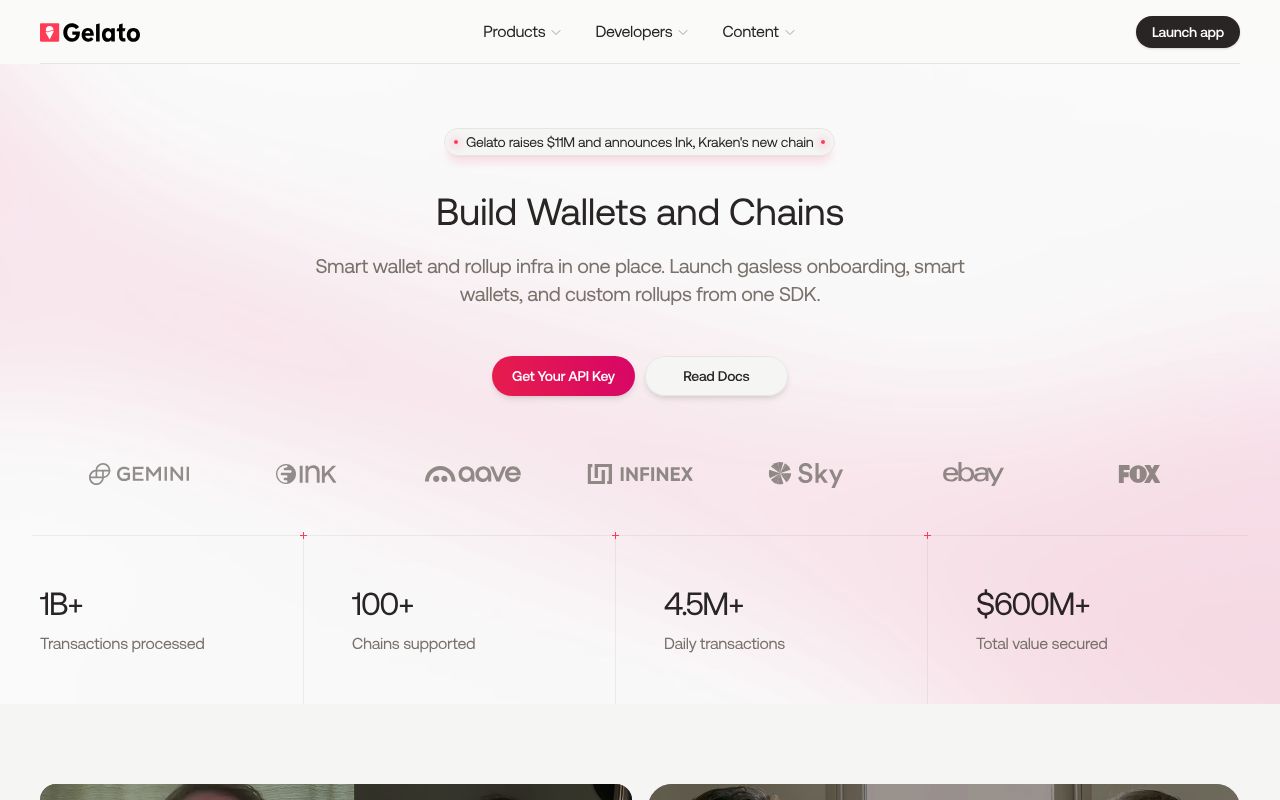
1. Gelato – Reliable Web3 Automation at Scale

Gelato tops our list as the most battle-tested automation stack for Web3 teams. Furthermore, this execution-focused platform operates with strong multi-chain support and a mature network for running scheduled and event-based tasks. Notably, Gelato excels in production-grade reliability, which is key when a workflow must execute exactly when conditions are met.
What sets Gelato apart is its broad developer tooling for automations, relayers, and smart contract execution. Specifically, teams can trigger actions based on timings, events, or custom logic. Additionally, it supports common EVM ecosystems where most users and liquidity live. Moreover, the platform is known for integrations across DeFi and app infrastructure. Consequently, with dependable execution and flexible automation patterns, Gelato delivers smooth onchain operations without constant manual intervention.
2. Chainlink – Oracle-Driven Automation You Can Trust
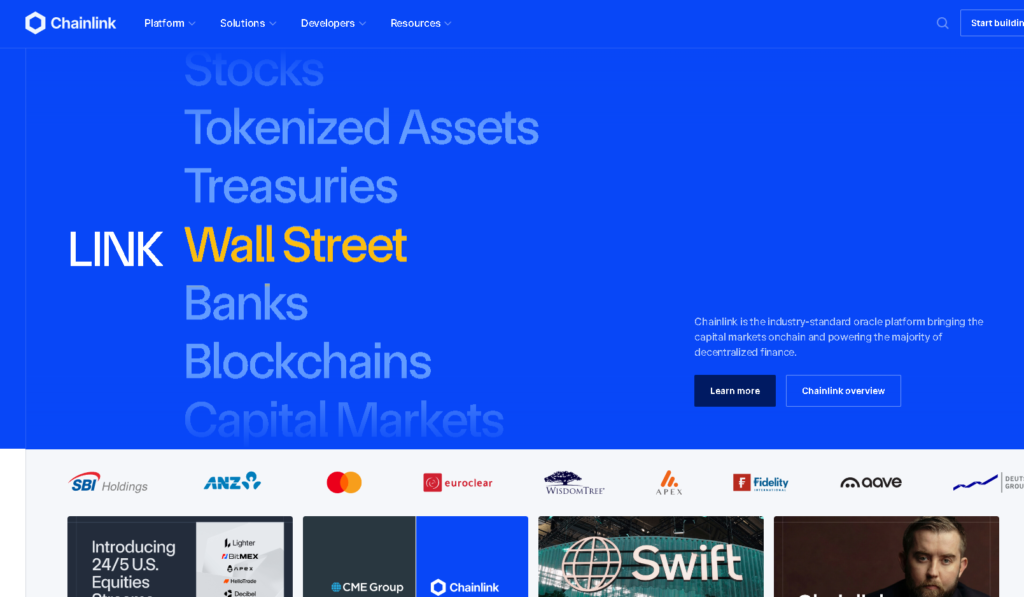
Chainlink tops our list as the strongest choice when verified data and triggered execution matter most. Furthermore, this infrastructure platform operates with decentralized oracle networks and automation services that many major protocols depend on. Notably, Chainlink excels in delivering dependable offchain-to-onchain inputs, which is critical for complex workflows that require accurate data.
What sets Chainlink apart is its focus on security and data integrity at scale. Specifically, it can power price feeds, proof systems, and data triggers used in automation. Additionally, its automation tools help execute actions when predefined conditions happen. Moreover, it supports a wide range of chains and ecosystems where automation and data must remain consistent. Consequently, with trusted inputs and robust execution support, Chainlink delivers a solid foundation for idexo-style automation.
3. Safe – Smart Wallet Control for Automated Workflows

Safe tops our list as the most practical choice for teams that want automation without losing wallet control. Furthermore, this smart account platform operates with multi-sig and modular security that can be used for DAO operations, treasury movement, and permissioned actions. Notably, Safe excels in reducing single-key risk, which is a big deal when bots or automations are involved.
What sets Safe apart is its strong permission model and app ecosystem. Specifically, you can set up roles, approvals, and policies around transactions. Additionally, it integrates with many Web3 tools that help automate recurring operations. Moreover, its approach is easy to understand for beginners because it looks like a safer “control center” for funds. Consequently, with better governance and safer execution, Safe delivers automation-ready wallet infrastructure for serious users.
4. Biconomy – Gasless UX and Smart Account Automation
Biconomy tops our list as a user-friendly option for apps that need smooth automation and onboarding. Furthermore, this account abstraction platform operates with tools that help users transact with less friction, including gas sponsorship and improved transaction flows. Notably, Biconomy excels in building “app-like” crypto experiences, which is important when automation needs to feel simple.
What sets Biconomy apart is the focus on smart accounts and better transaction UX. Specifically, it helps bundle actions so users can do more in fewer steps. Additionally, it can reduce the pain of gas management, which often blocks beginners. Moreover, it supports common EVM networks where many automation use cases live. Consequently, with smoother onboarding and more flexible transaction handling, Biconomy delivers a strong alternative for idexo-like workflows.
5. Superfluid – Real-Time Payments and Streaming Value
Superfluid tops our list as the best choice when your automation needs continuous payments. Furthermore, this protocol operates with onchain “streams” that move value over time, rather than one-time transfers. Notably, Superfluid excels in recurring payments, salaries, subscriptions, and incentive systems that can be automated with clear rules.
What sets Superfluid apart is the real-time finance model. Specifically, it allows money to flow every second, which changes how apps handle billing and rewards. Additionally, it can be paired with triggers and policies to start, stop, or adjust streams. Moreover, it enables transparent tracking of payments, which helps with audits and budgeting. Consequently, with continuous value transfer and programmable control, Superfluid delivers a unique automation edge beyond classic task runners.
6. The Graph – Query Onchain Data for Smarter Triggers
The Graph tops our list as the best data layer for building automation that reacts to real activity. Furthermore, this indexing platform operates by organizing blockchain data into fast, searchable endpoints. Notably, The Graph excels in powering dashboards, alerts, and automation triggers that depend on specific onchain events.
What sets The Graph apart is how it makes blockchain data usable for normal workflows. Specifically, you can query complex events without running your own heavy infrastructure. Additionally, it helps teams build monitoring logic that feeds into bots and automated actions. Moreover, it supports many networks and common ecosystems where apps need reliable indexing. Consequently, with faster access to onchain signals and easier monitoring, The Graph delivers strong support for idexo-style automation logic.
7. Gnosis – Practical Tools for Onchain Operations
Gnosis tops our list as a well-known ecosystem for running real onchain operations with simple tools. Furthermore, this platform operates across products that help users manage treasuries, run coordination, and interact with smart contracts in a more organized way. Notably, Gnosis excels in making onchain coordination feel less chaotic, especially for teams.
What sets Gnosis apart is its focus on practical governance and operational tooling. Specifically, it supports setups that help groups manage shared funds and decisions. Additionally, it works well with modular components that can plug into automated workflows. Moreover, it is commonly used by serious crypto groups that need stable processes. Consequently, with operational structure and strong ecosystem support, Gnosis delivers a solid option when replacing idexo for coordinated workflows.
The idexo Advantage
These platforms share clear benefits like faster onchain execution, safer permissions, and better multi-chain compatibility. Additionally, they make automation easier for normal users by reducing manual clicks and setup complexity. Notably, this category represents the future because AI-driven intent and decentralized execution will replace many repetitive crypto tasks. Consequently, as blockchain evolves, automation layers will become the default way people interact with apps, funds, and data.
Comparison Table
| Platform | Best For | Typical Cost Driver |
|---|---|---|
| Gelato | Task automation and execution across chains | Execution fees + network gas |
| Chainlink | Data-driven triggers and secure automation | Oracle/automation usage + network gas |
| Safe | Secure approvals and wallet-based operations | Transaction gas + module/tool costs |
| Biconomy | Gasless UX and smart account flows | Relayer fees + sponsored gas budgets |
| Superfluid | Streaming payments and recurring transfers | Protocol usage + network gas |
| The Graph | Indexing data for alerts and automation signals | Query/indexing costs + infra usage |
| Gnosis | Coordinated onchain ops and governance workflows | Transaction gas + tool/module costs |
Note: “Typical Cost Driver” is a simple estimate of what usually affects pricing most, such as execution fees, oracle usage, indexing/query costs, or the network gas paid for transactions.

Crypto Ticketing Platforms 2026
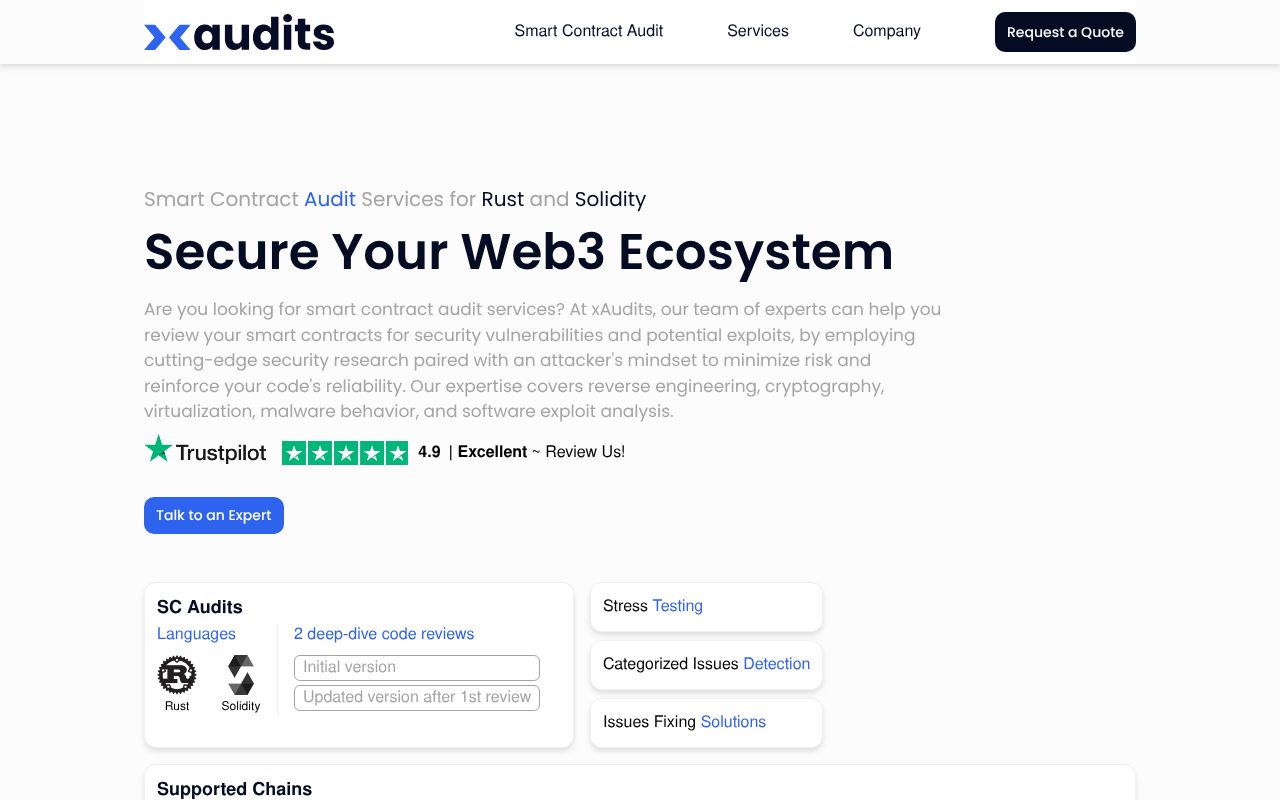
Crypto Audit Platforms 2026